

Dungeons have always been a defining feature of The Legend of Zelda series, with their complex maps, puzzles, enemies, and many, many keys. Across the series, dungeons vary in difficulty, from relatively straightforward to ones that can leave even experienced players completely stumped.
Of course, some of the tougher dungeons feature strong game design and fun puzzles that simply take a while to solve. But others are challenging because of confusing layouts, awkward controls, repetitive backtracking, or poorly planned mechanics that become tedious as the level drags on.
Now that the Nintendo remake of The Legend of Zelda: Ocarina of Time is just around the corner, we wanted to look back at some of the series’ most notoriously difficult dungeons, from the ones that put our puzzle-solving skills to the test to those that had us ready to throw our controllers across the room.
The Most Difficult Legend of Zelda Dungeon Levels
1. Great Bay Temple
The Legend of Zelda: Majora’s Mask
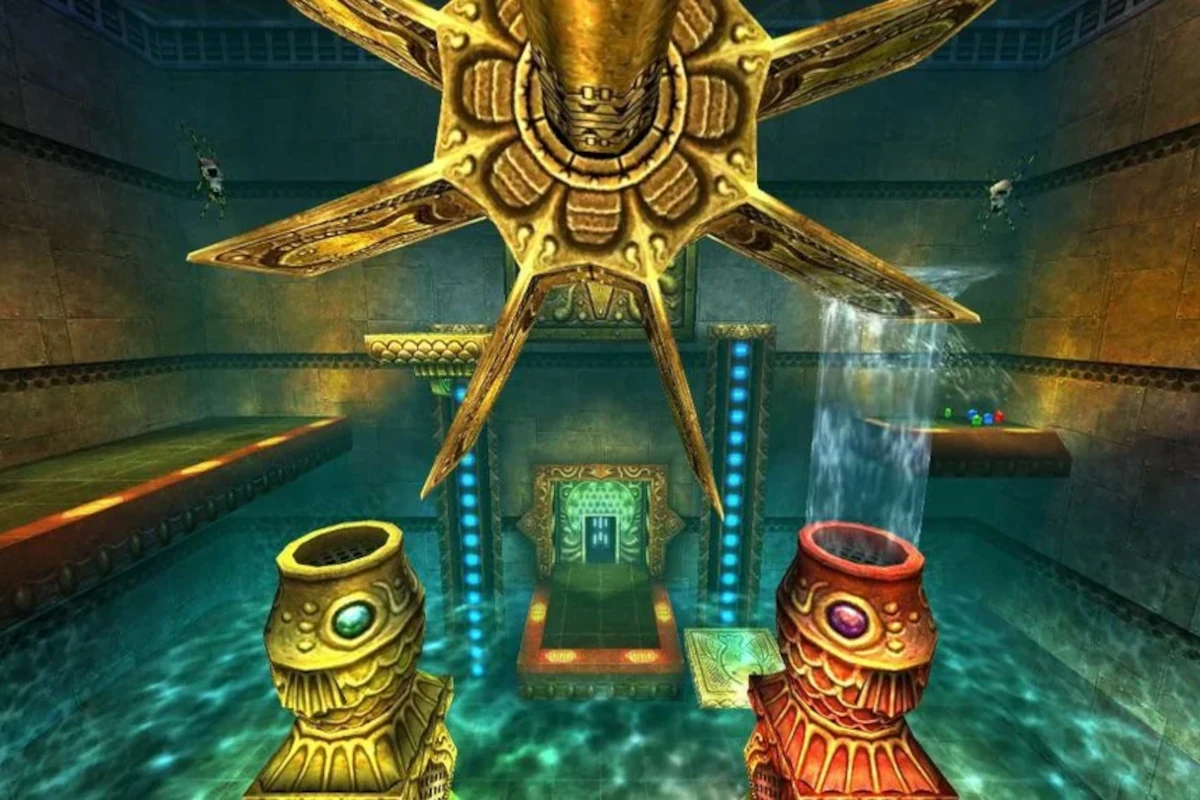
If there’s anything more frustrating than a Zelda water dungeon, it’s one with a time limit. Unfortunately, Majora’s Mask gives players exactly that with the Great Bay Temple.
The dungeon’s difficulty comes from its central mechanic: a complicated network of color-coded tunnels, valves, and water currents. To progress, the player must redirect the water flow, opening some pathways while blocking others. Keeping track of which pipes you’ve activated, where they lead, and which rooms you still need to explore can become a nightmare.
On top of all that, there’s the ever-present three-day time limit and Zora Link’s clunky swimming mechanics (in the original N64 version), which make it all too easy to zoom down the wrong passage.
2. Water Temple
The Legend of Zelda: Ocarina of Time
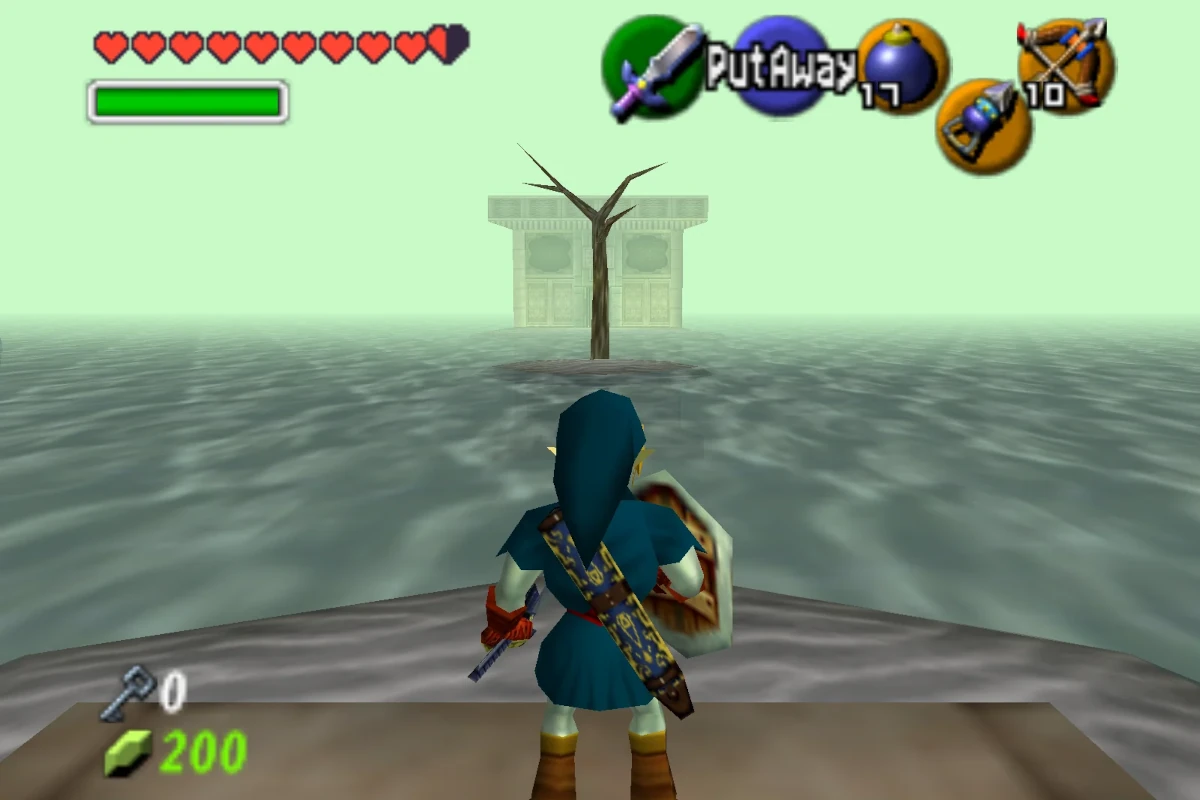
This is certainly the most infamous dungeon in the series. Like the Great Bay Temple, it’s all because of the clunky water mechanics. Switches throughout the dungeon raise and lower the water level, allowing you to access different floors and previously unreachable areas. It’s an interesting idea in theory, but keeping track of all the rooms and passages becomes increasingly difficult as the dungeon progresses.
The Water Temple does contain the excellent Dark Link miniboss, who rewards you with the Longshot, but you have to endure a lot of backtracking, hookshotting, and annoying spikey ball enemies to get there.
The original Nintendo 64 version also made things worse by forcing players to repeatedly pause the game to open the equipment menu and put on or remove the Iron Boots, a problem the 3DS remake fortunately addressed. But Ocarina of Time is hardly the only example of a video game remake improving on the original.
3. Stone Tower Temple
The Legend of Zelda: Majora’s Mask
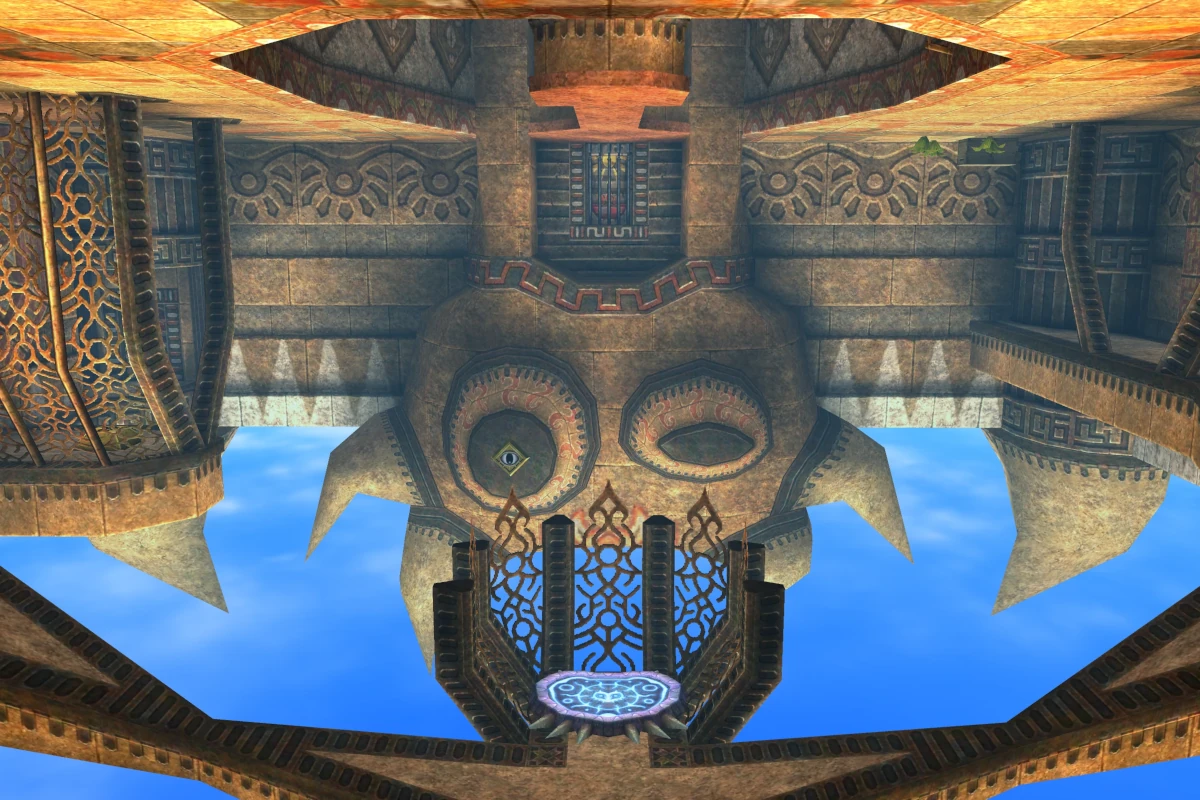
The final true dungeon in Majora’s Mask initially plays out somewhat traditionally, with Link navigating rooms, battling enemies, and using his various shape-shifting masks to solve puzzles. However, things become considerably more complicated once he obtains the Light Arrows and gains the ability to literally flip the entire dungeon upside down. Suddenly, ceilings become floors, and previously inaccessible areas open up.
As a result, players must completely rethink how to navigate rooms they’ve already explored and keep in mind how the flip-flopping might affect their progress. Despite its difficulty, the upside-down mechanic is genuinely fun and interesting, and Stone Tower Temple might be one of the most creatively designed dungeons in the entire series.
4. Sky Keep
The Legend of Zelda: Skyward Sword
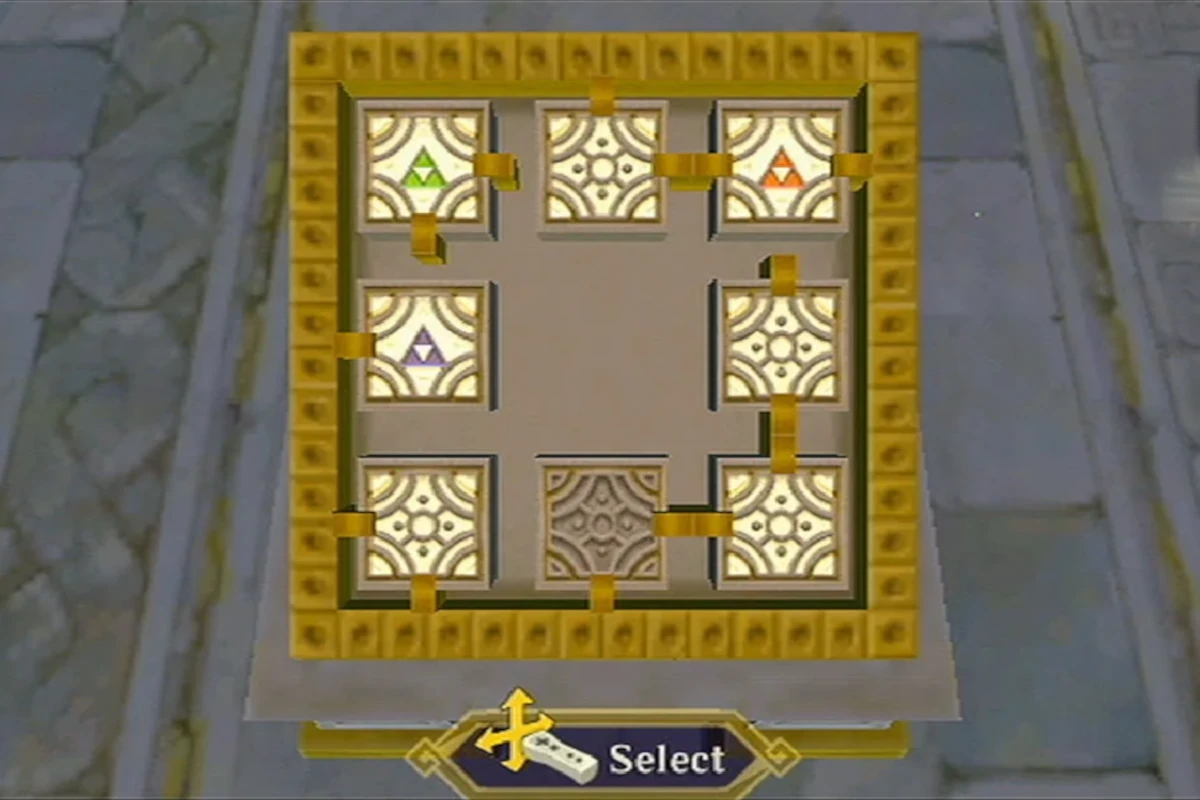
After hours of battling monsters and the clunky motion controls in Skyward Sword, the game ends with a real doozy.
Instead of progressing through a typical map, Sky Keep forces players to rearrange eight interconnected rooms using special control panels. The rooms slide around like pieces of a tile puzzle, and each arrangement changes which areas are accessible.
To top it off, you can’t manipulate the position of the room where Link is standing, which adds another layer to the challenge.
5. City in the Sky
The Legend of Zelda: Twilight Princess
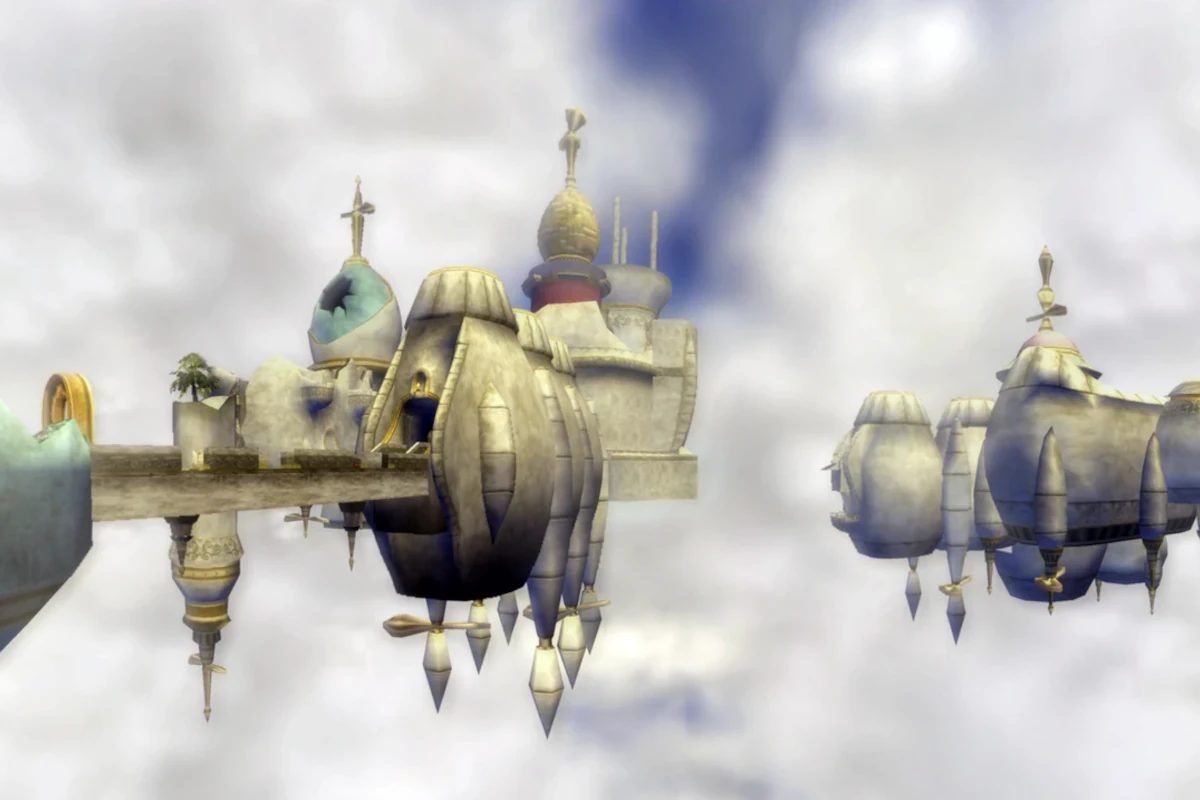
The City in the Sky in Twilight Princess takes place on a collection of floating structures inhabited by the somewhat uncanny, chicken-like Oocca.
The central gimmick of the dungeon revolves around using Link’s double claw shots to sort of Spider-Man your way around moving platforms with deadly drops below. The difficulty primarily comes from the dungeon’s pacing. With so many moving parts, you’re often just waiting for long periods before you can drop onto a tiny platform, and you’d better hope you lined it up right; otherwise, you’ll have to start over after you die.
6. Lakebed Temple
The Legend of Zelda: Twilight Princess
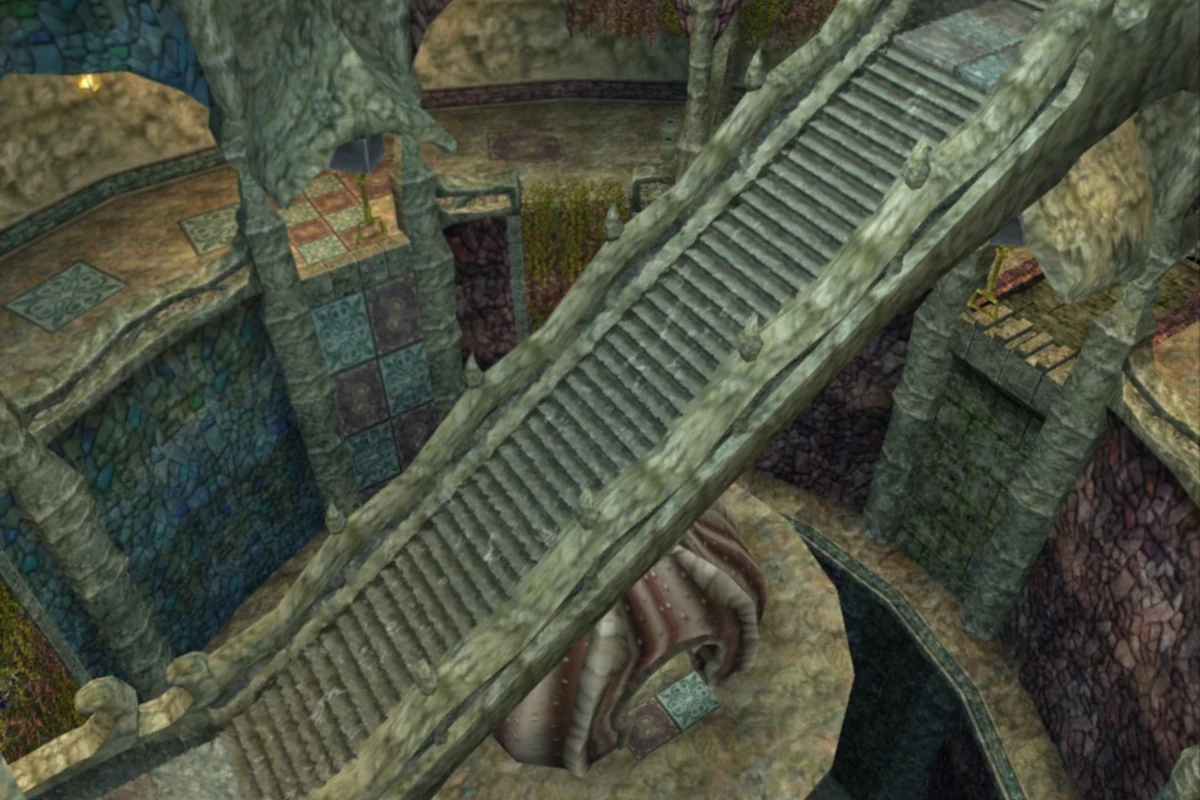
Water dungeons have something of a reputation in the Zelda series, and Twilight Princess’s Lakebed Temple does little to change that.
Located beneath Lake Hylia, this enormous underwater temple features a complicated network of chambers connected by a central room containing a massive rotating staircase. By pulling switches, Link can change the staircase’s direction, allowing him to reach different passages and redirect water throughout the dungeon.
The main objective is to restore water flow to different sections of the temple, which activates water wheels and opens previously inaccessible areas. However, determining exactly where the water needs to go and how to manipulate the staircase to get it there can be surprisingly difficult.
7. Spirit Temple
The Legend of Zelda: Ocarina of Time Master Quest
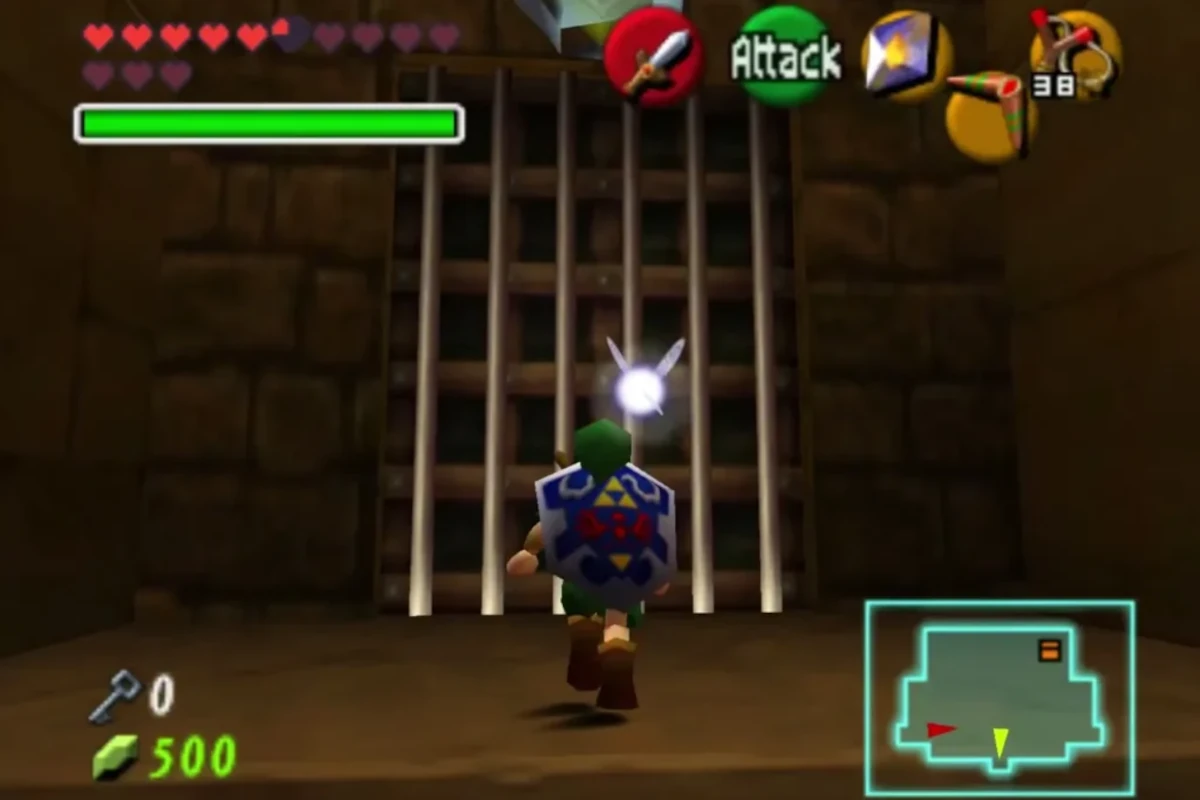
The Spirit Temple in Ocarina of Time is the penultimate dungeon in the game and, as such, tends to be on the tougher side, but the Master Quest version is considerably worse.
Master Quest is an alternate version of Ocarina of Time in which all the dungeons are redesigned, with their keys, puzzles, and sometimes even enemies swapped out. Some solutions require new items you normally wouldn’t need in the dungeon, and sometimes the puzzles themselves have solutions that feel utterly contrived.
In the Spirit Temple in particular, you must leave and return as both young and adult Link multiple times to access different areas. Although you have to complete a few dungeons as young Link and then return as an adult to finish them, traveling back and forth through time in the middle of a dungeon for a single switch genuinely blows.
8. Fire Temple
The Legend of Zelda: Tears of the Kingdom
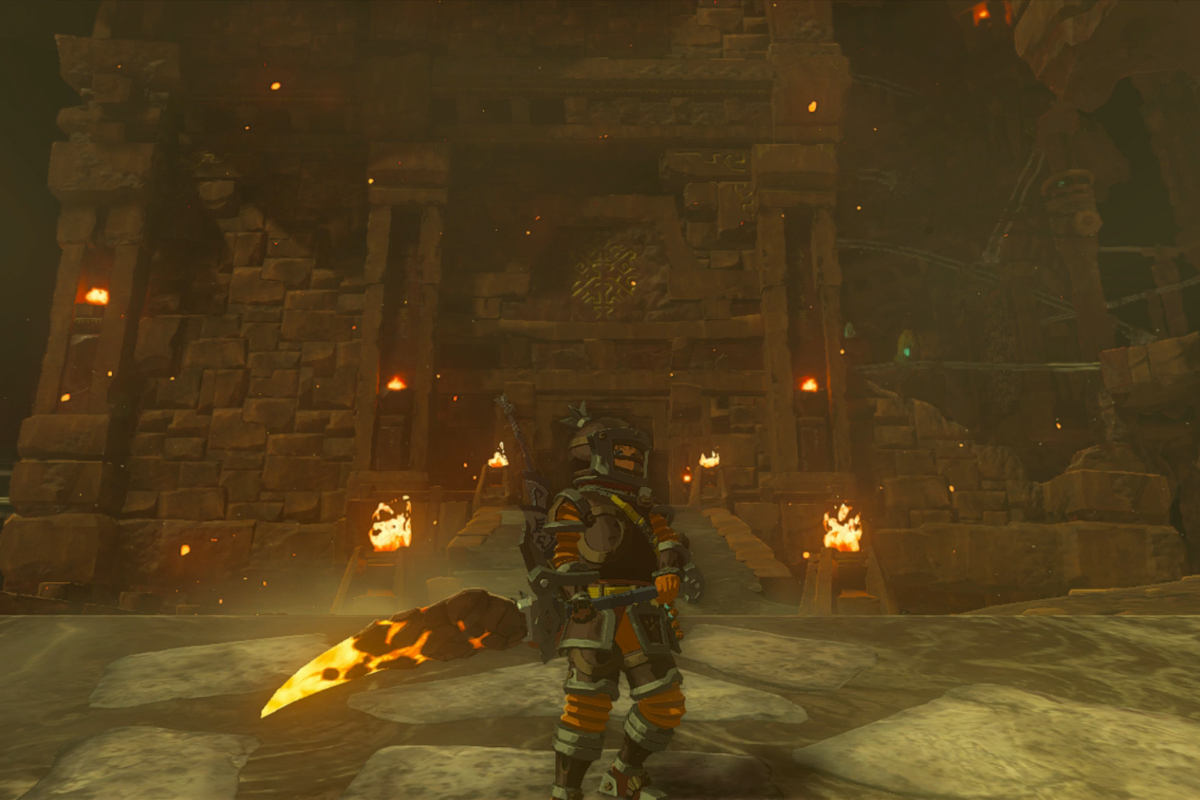
While Tears of the Kingdom gives players considerably more freedom to approach puzzles than earlier Zelda games, that doesn’t mean all its temples are easy. The Fire Temple, located deep beneath Death Mountain, is a particularly frustrating example.
The objective is simple enough: locate five gongs scattered throughout the temple and use Yunobo’s rolling attack to activate them. Unfortunately, getting to those gongs is where things get complicated.
The temple spans five floors, connected by a huge network of minecart tracks that players must navigate by activating switches and changing the rails’ directions, which, naturally, gets confusing fast.
There are also broken tracks, lava pools, and obstacles that require using Zonai devices and Link’s abilities to overcome. Sometimes the actual puzzle is relatively straightforward, but simply reaching the right spot takes far more effort than expected.
Of course, abilities like Ascend and tools such as rockets give players much more freedom in gameplay. If the dungeon gets too hard, it’s possible to bypass portions of the intended minecart puzzles entirely, which makes the Fire Temple easier to manage than many traditional Zelda dungeons. However, anyone trying to navigate its railway system as intended is likely to feel some frustration.
Zelda has been a surprisingly consistent series, so one or two head-scratcher (or endlessly tedious) dungeons doesn’t necessarily reflect badly on the game as a whole. Though, for some of these, completing them definitely comes with more relief than satisfaction.
If you’re a big Zelda fan, be sure to cast your vote for the best version of Link and Zelda. For more from Ocarina of Time, revisit one of gaming’s most memorable musical eras with our look at the greatest original video game soundtracks.
Featured image photo credit: Nintendo
Page last updated on November 9, 2026 by Craig Mormino.
