
“I would like to make a film to tell children, ‘it’s good to be alive.’” — Hayao Miyazaki
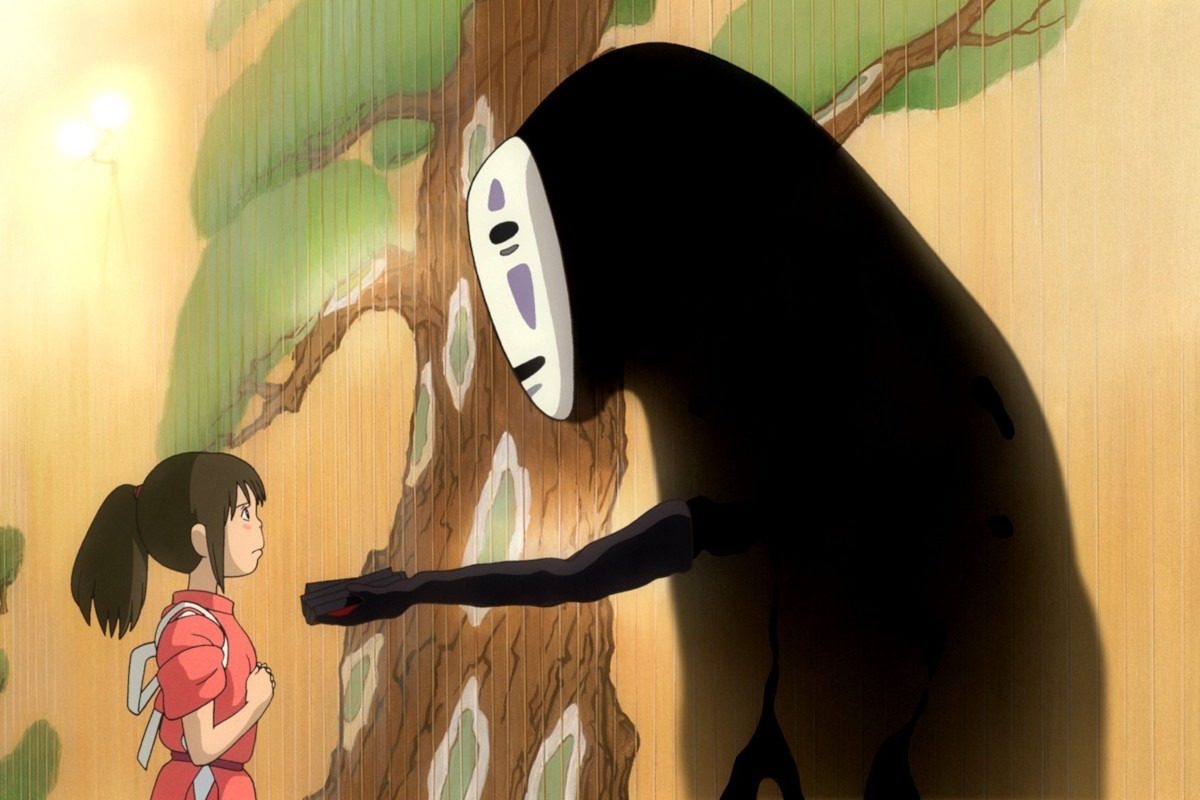 Chihiro with No Face in Spirited Away | Image credit: Studio Ghibli
Studio Ghibli is truly one of a kind. Founded in 1985 by Hayao Miyazaki, Isao Takahata, and Toshio Suzuki, the animation studio has become world-renowned for its awe-inspiring visuals, dynamic characters, and spirited storytelling. Ghibli films weave timeless themes with a tender attention to detail, creating a mythical experience that inspires reflection while romanticizing everyday life. The artistry imbued into every facet of the studio’s many gems has inspired countless others to create across the globe. Miyazaki’s heroines are realistically strong, inspiring girls of all ages to believe in their own power. To celebrate Studio Ghibli and its fantastic legacy, let’s explore some lesser-known facts about the company and its creator!
1. Why is Studio Ghibli called that?

To begin, let’s explore the origins of the name. How did Studio Ghibli get its name? The name “Ghibli” is derived from a nickname the Italians used for the Caproni Ca.309 aircraft that operated in Libya and North Africa from 1937 to 1943. This moniker is derived from the Libyan word for the hot, dry wind that blows through the desert. The intention behind the name was that the studio would be a trailblazing wind through the animation industry.
Miyazaki’s deep, steadfast passion for aviation became a “frequent flyer” throughout his work, manifesting in a range of original flying devices that both uplift and destroy. This dualism stems from his family’s livelihood: his father, Katsuji Miyazaki, was the director of Miyazaki Airplane, a company that manufactured parts for Japanese fighter planes during World War II. Growing up around aircraft cultivated Hayao Miyazaki’s profound fascination with aviation and its engineering, but his anti-war stance complicated this interest, creating a conflict that influenced his storytelling.
I love this little description I found on Reddit from Soloact_: “Ghibli: The only studio where you’re swept away by the movie and the meaning behind its name.”
2. Totoro, the iconic mascot of Studio Ghibli, is featured as a “hidden gem” in multiple Miyazaki films.
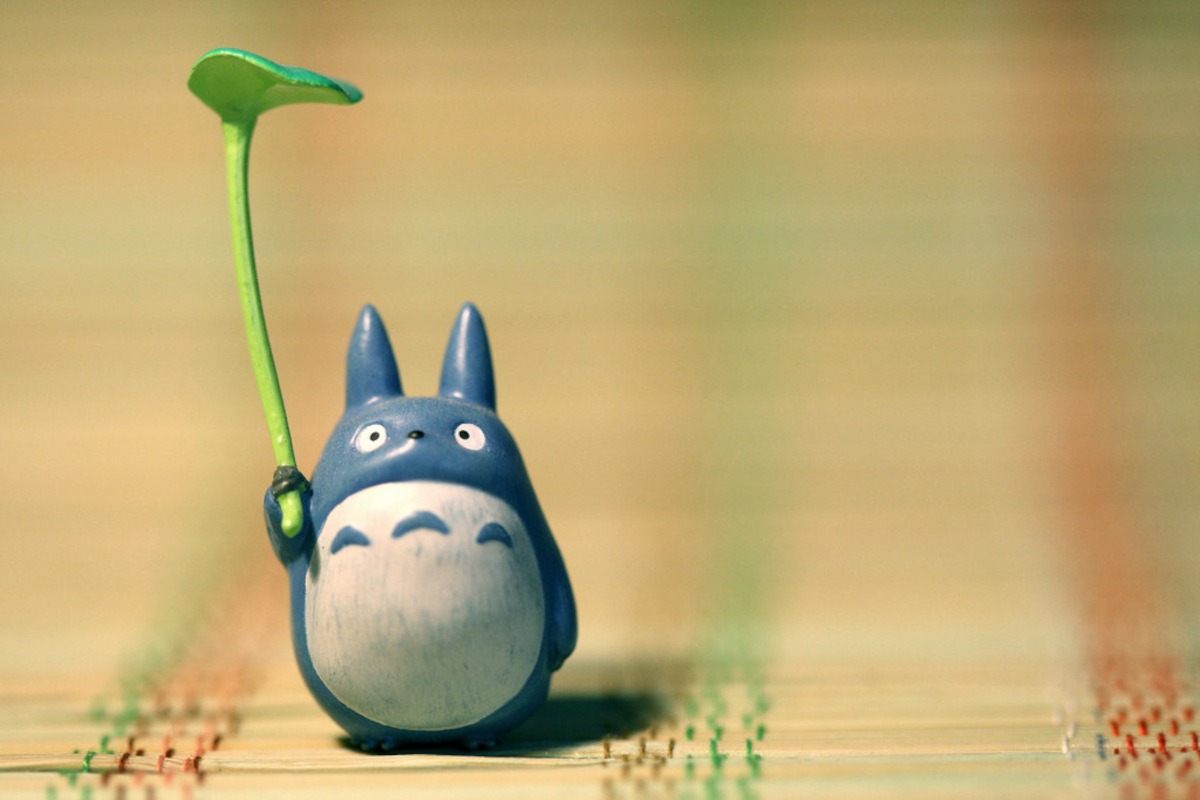 Totoro | Image credit: Wesley Chan | License CC BY-NC-ND 2.0
The much-loved forest spirit makes a cute cameo in these three Ghibli movies: Kiki’s Delivery Service, Pom Poko, and Ponyo. We won’t reveal how or when, so you can find out for yourself! Toy Story 3 also pays homage to the gentle forest guardian.
Why is he called Totoro? The origin of Totoro’s name is quite precious: Mei, the origin film’s young, inquisitive protagonist, mispronounces “torōru,” the Japanese word for “troll.” The quirky name that bloomed from a child’s innocent error is perfect for embodying the wonder and purity of nature.
Another tidbit of Totoro trivia: according to Nippon Television’s Friday Roadshow, Miyazaki played with the idea that the lone Kodama at the end of Princess Mononoke could be a young Totoro, but ultimately this did not become canonical as it conflicted with other aspects of Totoro’s lore.
3. Totoro’s appearance is inspired by a Horned owl.
 Great horned owl | Image credit: Jessie Eastland | License Attribution-Share Alike 4.0 International
Before Miyazaki’s original creation became known as Totoro, its concept name was Miminzuku, derived from Mimizuku, the Japanese word for a Horned owl. An owl was chosen to evoke a sense of mythical protection. Miyazaki also drew inspiration from tanuki, or Japanese raccoon dogs. In Japanese folklore, tanuki are known as supernatural shapeshifters with a penchant for mischief and merriment. They are often depicted with bountiful bellies, a much-celebrated feature of Totoro’s. Cats and their mannerisms are another creative source, as evident in Totoro’s bombastic side eye and languid whimsy.
4. Studio Ghibli enforces a strict “no-edits” policy to ensure artistic integrity for international releases.
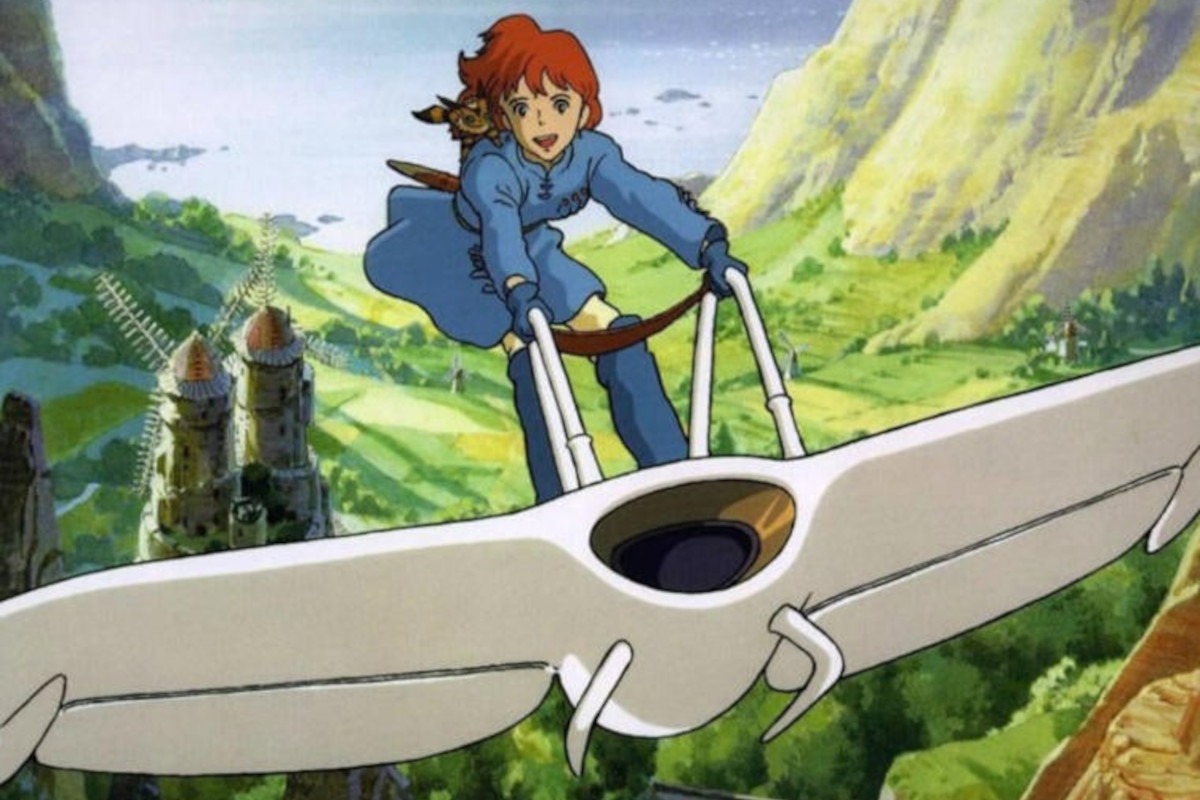
Princess Nausicaä in Nausicaä of the Valley of the Wind | Image credit: Studio Ghibli
The decision to forbid cuts and editing followed the disastrous English-dubbed adaptation of Nausicaä of the Valley of the Wind, titled Warriors of the Wind, which was released in U.S. theaters in 1985. Twenty-two minutes were cut from the 117-minute original, and the environmental themes and connections were oversimplified, resulting in a loss of depth and nuance. The promotional posters and VHS covers featured nonsensical depictions of the characters, including some that weren’t even in the film. This injustice led Miyazaki to adopt a firm “no-edits” policy for future foreign releases of Studio Ghibli films.
In fact, upon hearing that Miramax producer Harvey Weinstein (infamously known as Harvey Scissorhands for good reason) wished to edit Princess Mononoke to make it more marketable for a Western audience, Ghibli producer Toshio Suzuki presented him with a katana and simply said: “Mononoke Hime, no cut!” This effort prevailed and led to more faithful, beloved adaptations of Ghibli films emerging on the international stage.
5. Many Studio Ghibli films were produced without a script and developed organically through storyboards.
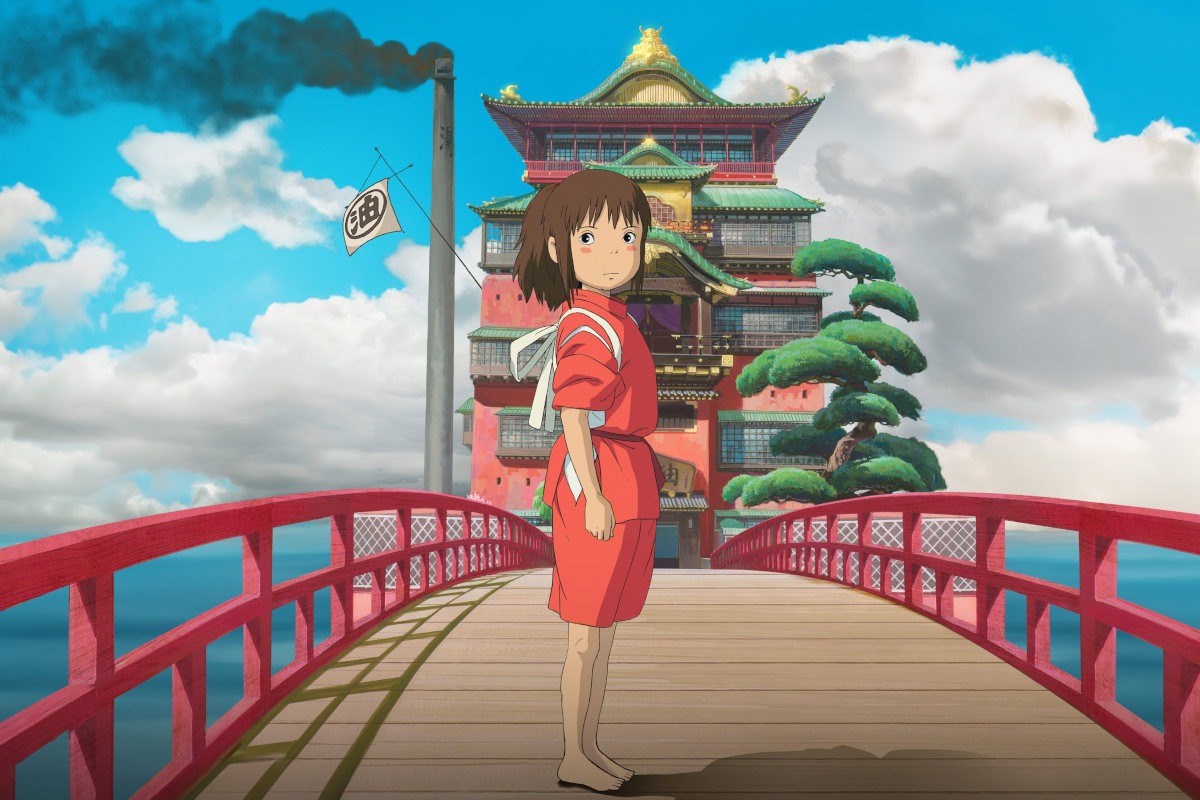
Chihiro in Spirited Away | Image credit: Studio Ghibli
Spirited Away, the third highest-grossing anime film of all time, was cultivated in this unorthodox manner. Production began with just a few ideas and sketches, and the story blossomed alongside the animation and dialogue in real-time. While this process creates risks and struggles for developers, it also lends itself to more intimate, empathetic storytelling and character development. In a 2002 interview with Midnight Eye (Japanese cinema journalists), Miyazaki describes this immersive approach: “The characters are born from repetition, from repeatedly thinking about them. I have their outline in my head. I become the character and as the character I visit the locations of the story many, many times. Only after that I start drawing the character, but again I do it many, many times, over and over. And I only finish just before the deadline.”
6. A species of velvet worm was named after an iconic My Neighbor Totoro character.
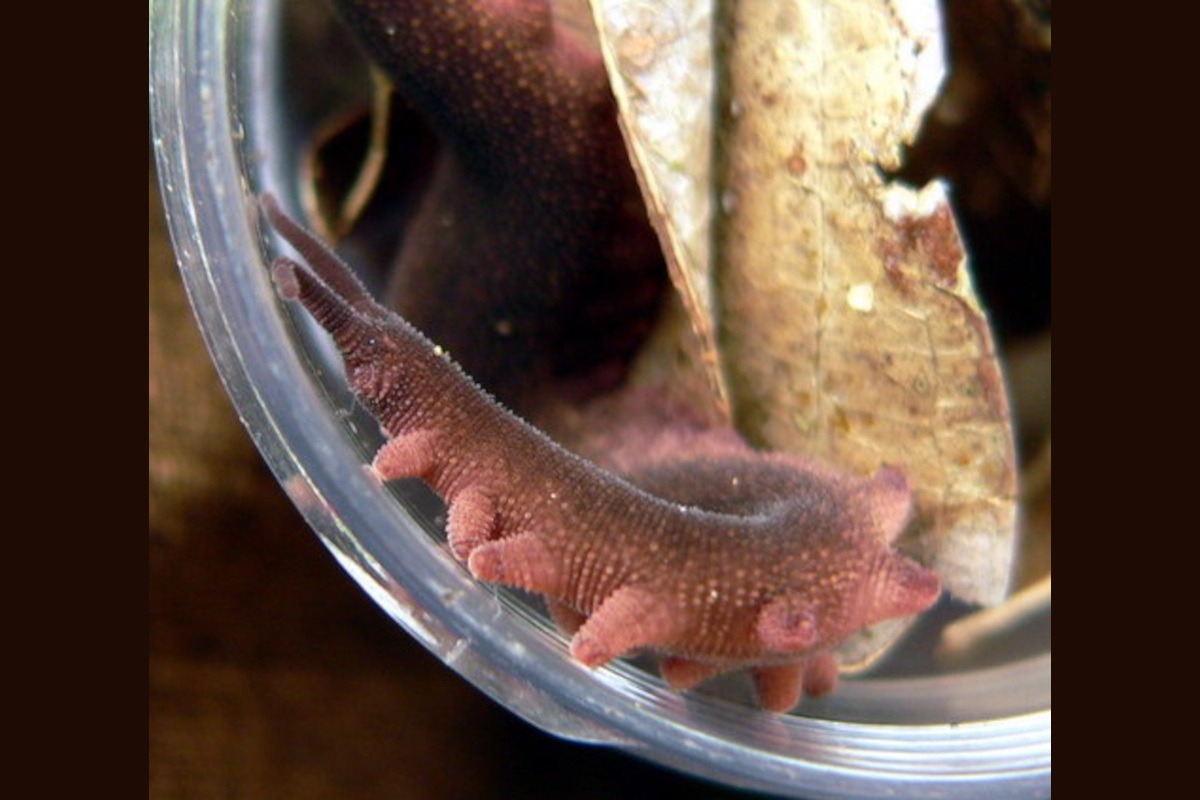
Eoperipatus totoro | Image credit: Urosphena | License Attribution-Share Alike 3.0 Unported
Discovered under a stone in Vietnam’s Cát Tiên National Park in 2007, the Eoperipatus totoro became the first species of velvet worm to be formally described. The discovering scientists, Pavel V. Kvartalnov, Eduard A. Galoyan, and Igor V. Palko, had watched My Neighbor Totoro the evening of their find and recognized a striking similarity between the Catbus and the specimen.
While its namesake is a friendly, helpful character, this fuzzy worm is far from it. Like other velvet worm species, E. totoro is a nocturnal predator that spews a viscous substance to immobilize its prey for consumption.
7. Miyazaki makes a cameo in Kiki’s Delivery Service.
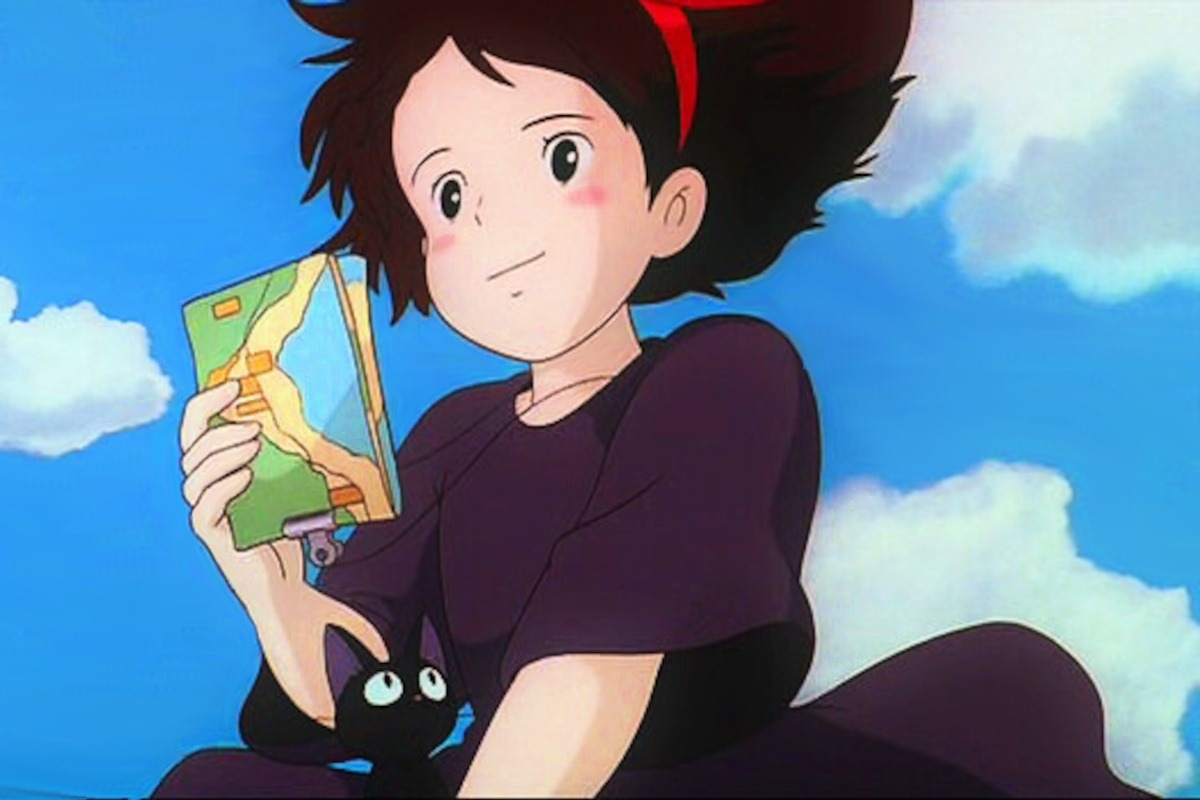 Kiki with Jiji the cat in Kiki’s Delivery Service | Image credit: J T | License CC BY-ND 2.0
Want another excuse to rewatch Kiki’s Delivery Service (or watch it for the first time, we don’t judge)? Try to spot an animated younger Miyazaki during the scene when witch trainee Kiki performs a dashing mid-air rescue of her friend Tombo after snatching a street sweeper’s push-broom. After the stirring spectacle, the street sweeper proudly proclaims that it was his broom that she used; in that brief scene, Miyazaki is visible in the upper-right corner.
In a way, Miyazaki’s presence at Kiki’s epic reclamation of her power can be interpreted as a subtle nod to his legacy of creating strong, dynamic female characters who empower girls to harness their own potential.
8. Studio Ghibli’s first film, Castle in the Sky, contains a hidden Morse code message.
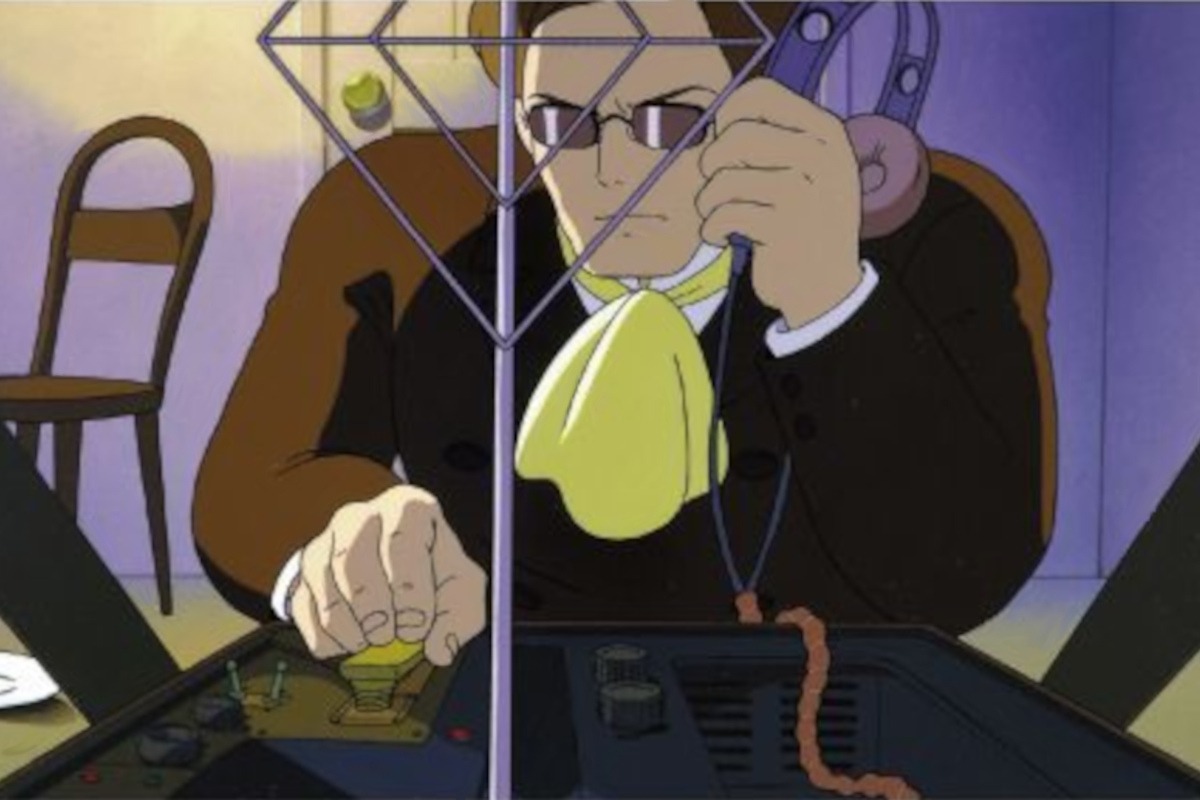 Muska sending Morse code in Castle in the Sky | Image credit: Studio Ghibli
During the initial airship skirmish scene, the ruthless Colonel Muska transmits the message in Morse code: “Shoot them down quickly!” This detail highlights Studio Ghibli’s meticulous attention to detail and how their stories are layered with both overarching and subliminal elements. It makes you wonder what other secret messages woven into the scenes and sounds have yet to be discovered.
9. Nausicaä’s theme song features the voice of legendary composer Joe Hisaishi’s 4-year-old daughter, Mai Fujisawa.
Nausicaä’s Requiem | Listen on YouTube
The sweet, spirited “la la la” that uplifts “Nausicaä’s Requiem” was Mai Fujisawa’s singing debut, adding a dream-like innocence she continued to bring to live concerts alongside her father, the composer behind nearly all of Miyazaki’s films.
As an adult, Mai Fujisawa continues to grace musical scores with her ethereal vocals, including the opening theme for Harry Potter and the Deathly Hallows – Part 2. In recent years, she has harnessed the power of music to help revitalize rural Japanese towns and serves as a goodwill ambassador for Nakano City.
10. Ponyo was created almost entirely by hand.
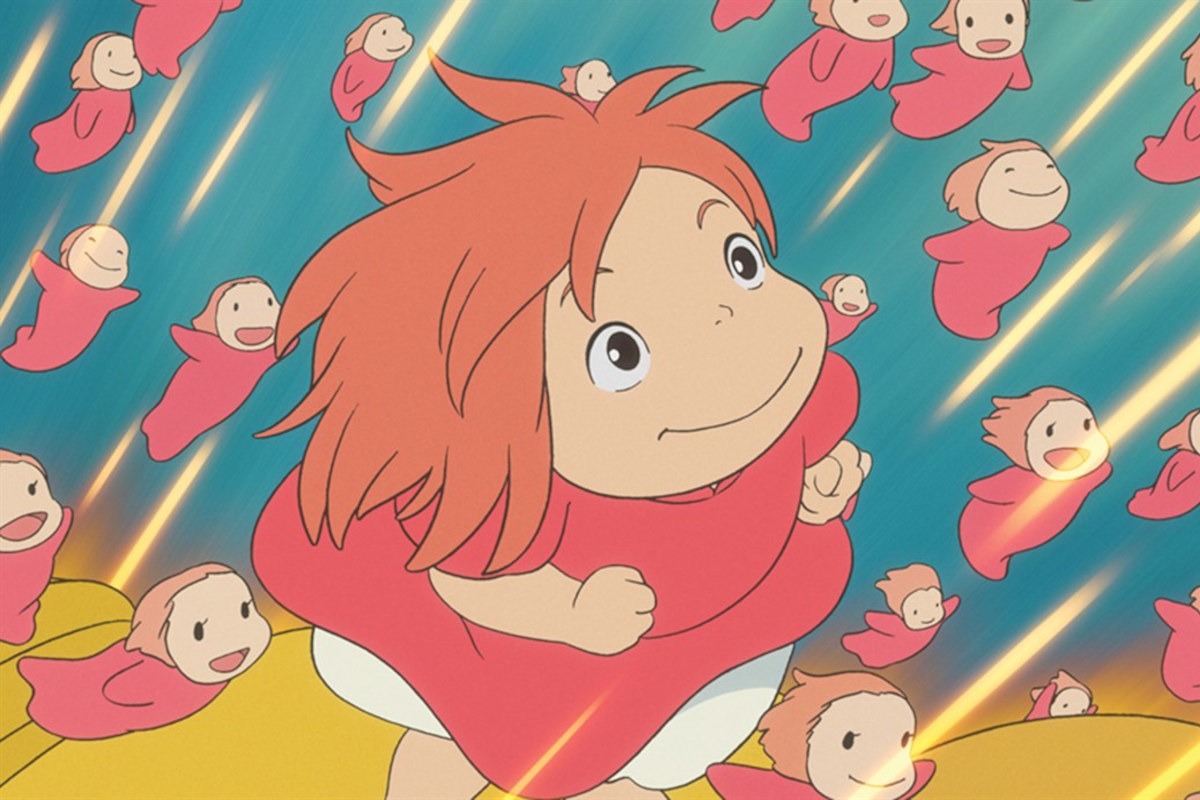
Ponyo | Image credit: Studio Ghibli
As digital animation became the industry standard, Miyazaki committed to a more traditional approach to creating the beloved classic. This deliberate choice was essential for capturing the soft, sprightly nature of a character that escapes the ocean and discovers the metamorphic warmth of friendship. In fact, the studio’s entire computer graphics department was closed during production to prioritize hand-drawn animation. Brought to life with over 170,000 individual drawings, Ponyo is one of Studio Ghibli’s most labor-intensive endeavors to date. The film is bursting with movement and whimsy, offering viewers a “storybook” experience that feels both fresh and nostalgic.
We hope you have enjoyed learning some lesser-known Studio Ghibli trivia! We would love to hear your favorite Studio Ghibli facts in the comments below. Also, what is your favorite Studio Ghibli film and why? Please let us know!
See more:
- The 10 Highest-Grossing Japanese Anime Films of all Time (Plus Fun Facts About Each!)
- The Top 10 Highest-Rated Animated Films of All Time, Ranked by IMDb User Rating
- The Highest-Grossing Fantasy Film Franchises of All Time
Spirted Away was my introduction to Studio Ghibli. I’ve been slowly making my way through the rest of their films ever since.
My favorite so far is Howl’s Moving Castle.