
Our favorite Time Lord is in the business of saving lives and planets across time and space. But the Doctor doesn’t always succeed in rescuing planet Earth. Across different timelines and universes, we’ve witnessed the destruction of Earth multiple times throughout Doctor Who. We might even think of “Earth Death” as its own character within the Whoniverse. Earth’s demise appears in some of the sci-fi show’s most thrilling episodes. Let’s revisit every time Earth faces an untimely end in Doctor Who.
Season 3: The Ark
This is a classic Doctor Who episode from 1966 (before the reboot) featuring William Hartnell as the first iteration of the Doctor. In this episode, a one-eyed alien species known as the Monoids arrived to help out humans as Earth collapsed into the sun. In this case, the Monoids rescued humans as the Doctor was preoccupied with another disaster: introducing the common cold to a group of humans with no defense against it. Humans abandoned the destroyed Earth to live aboard the Monoid ship, but when the Doctor returns for a check-in 700 years in the future, he finds the Monoids have become fearsome overlords.
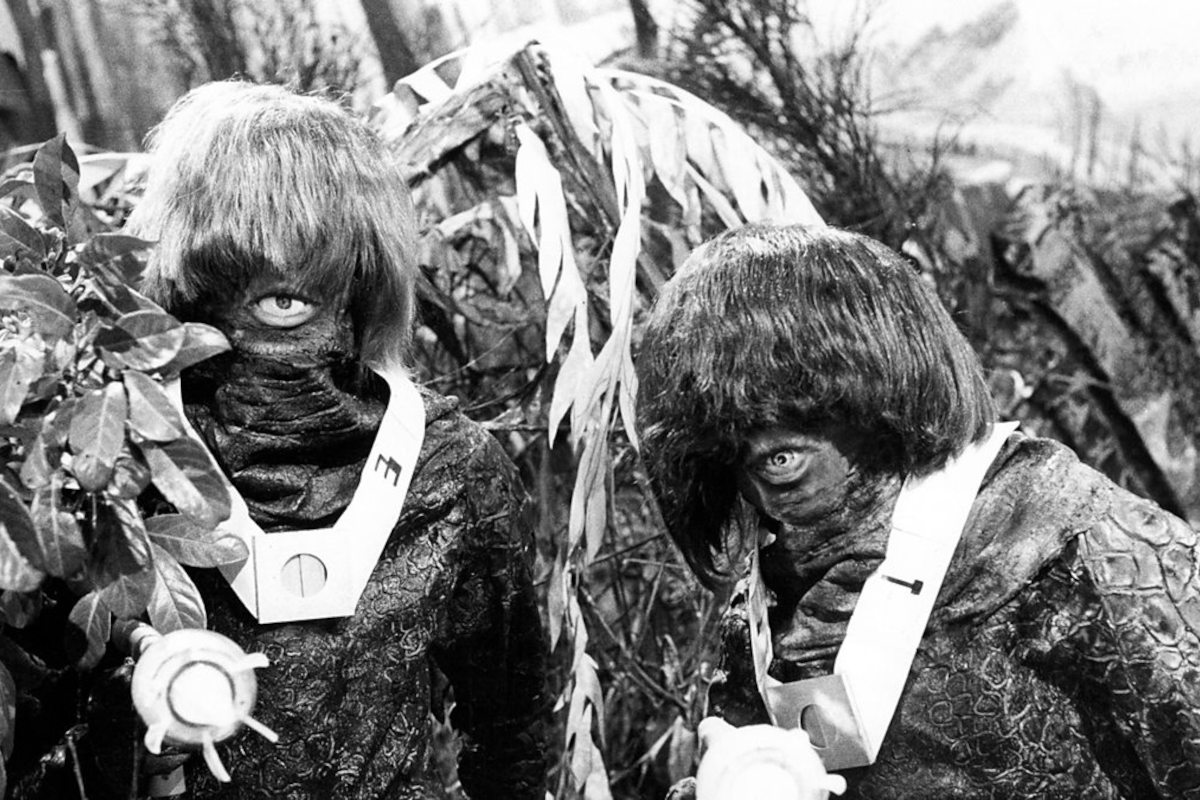 Season 3: The Ark; Image credit: BBC Studios Productions
The Ark in Space: Season 12
This episode revisits a concept from earlier Ark episodes, but this time, Tom Baker’s Doctor takes the lead. He discovers the Space Station Nerva, orbiting Earth, which contains humans in cryogenic stasis and a giant alien insect. While we, as viewers, don’t see Earth’s destruction directly, this episode begins an arc of stories in which the Doctor encounters other human refugees, and Earth is shown to have been abandoned after being decimated by solar flares. It’s implied that Starship UK from the “The Beast Below” episode, Erewhon in “Smile,” and the humans relocated to Pluto in “The Sun Makers” all fled the same solar flare event.
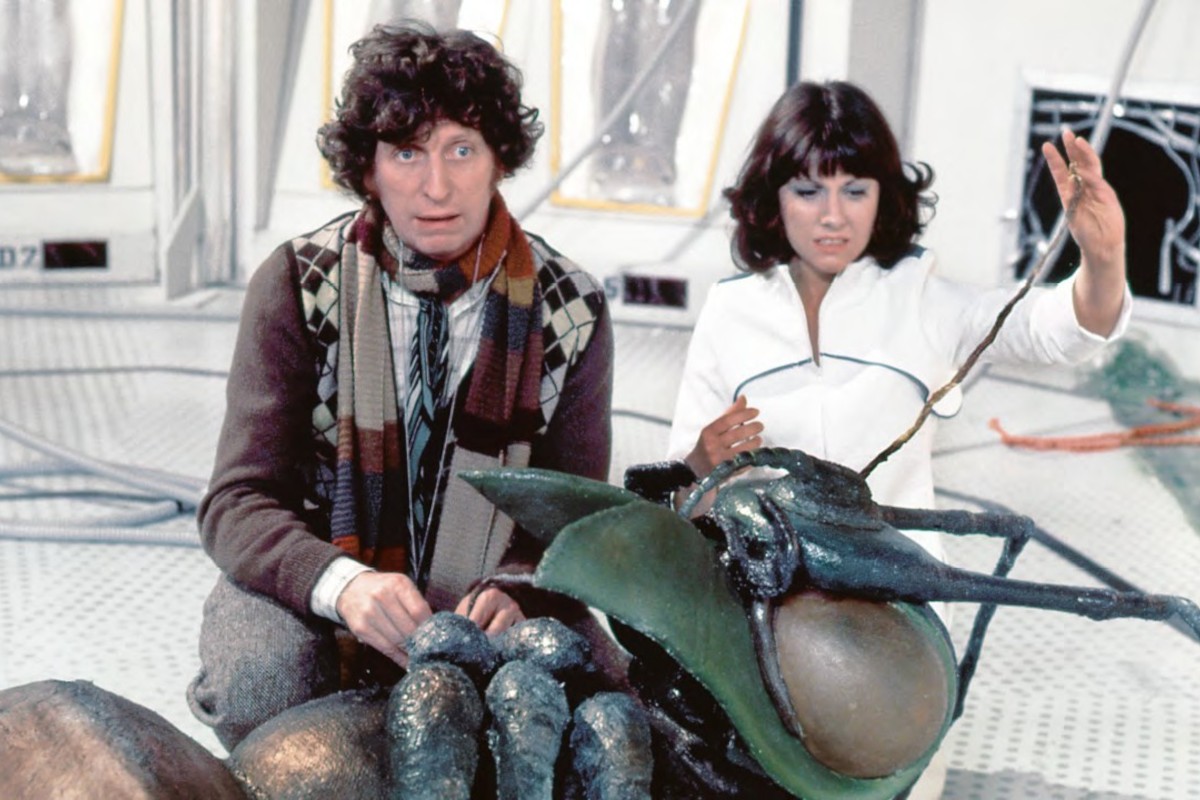 The Ark in Space: Season 12; Image credit: BBC Studios Productions
The Pyramids of Mars: Season 13
The Fourth Doctor and Sarah Jane Smith return to face off with Sutekh the Osirian, God of Death. Sarah Jane doesn’t understand how the God of Death can pose a threat to Earth in 1911 since she never read of such an event in a history book. Instead of explaining the butterfly effect to her, the Doctor makes the explanation an experience and hops over to Sarah Jane’s time in 1980 to show her this alternate vision of the future: a barren, lifeless desert of an Earth.
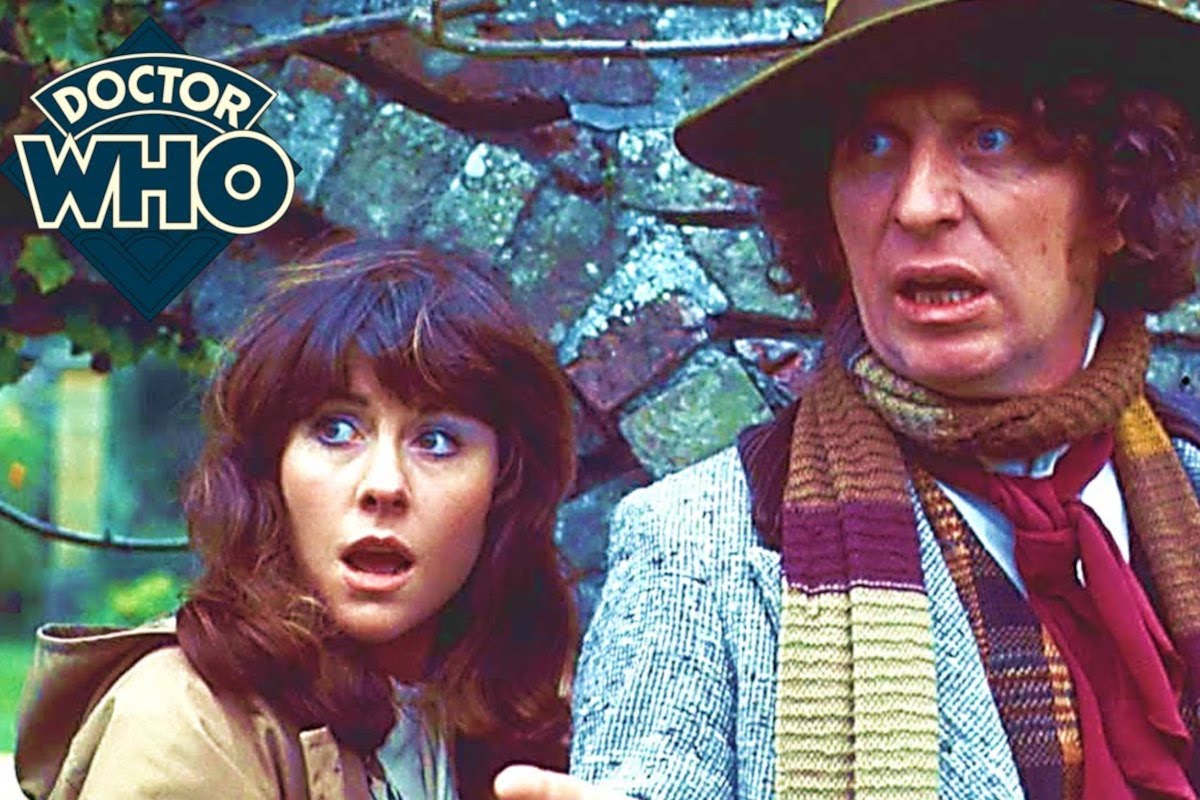 The Pyramids of Mars: Season 13; Image credit: BBC Studios Productions
Earthshock: Season 19
The Fifth Doctor stars in this Cybermen story alongside his teen alien companion, Adric. In this episode, to thwart the Cybermen, the Doctor and Adric catapult the Cybermen’s ship back in time, but in the process, it crashes into Earth, causing the end of the dinosaurs (and Adric).
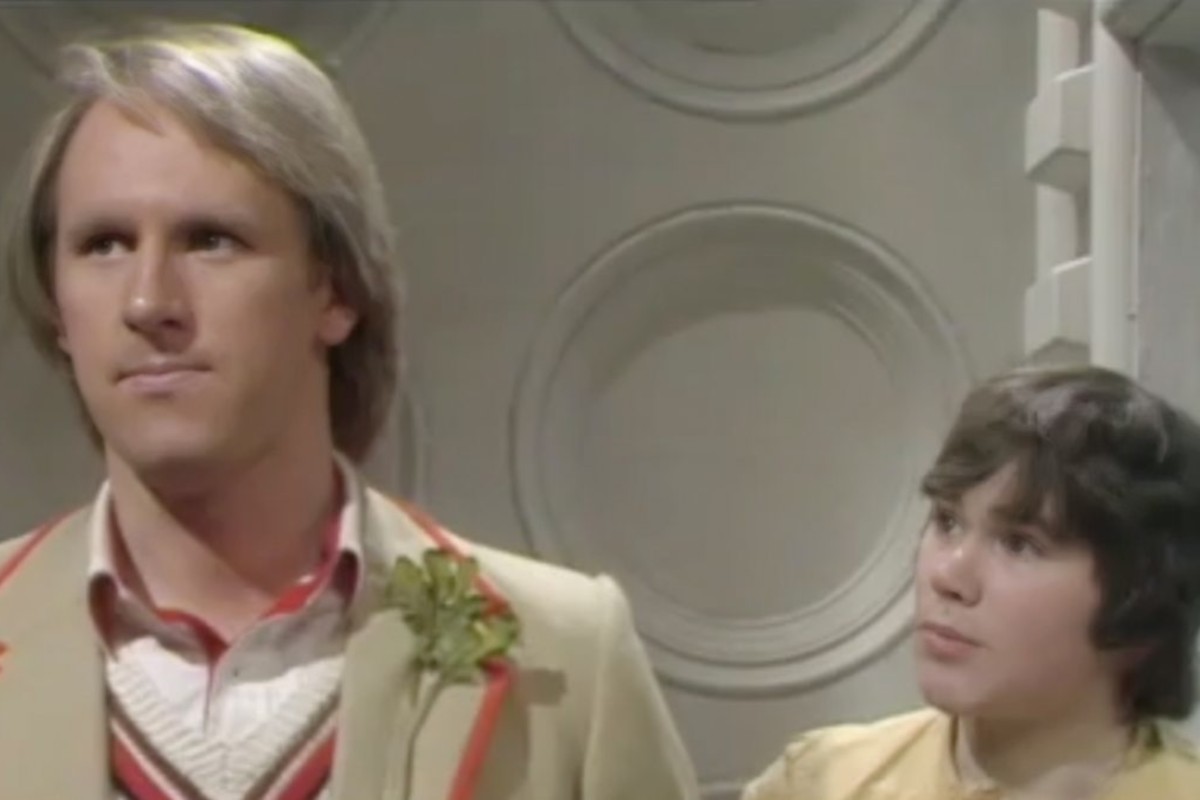 Earthshock: Season 19; Image credit: BBC Studios Productions
The End of the World: Season 1
The title of this episode in the first season of the reboot pulls no punches. It takes place aboard a spaceship full of rich and powerful creatures gathered to watch Earth’s final days. We meet Cassandra, the iconic piece of stretched skin, the “last pure human.” We witness the dramatic destruction of Earth as the sun expands past its protective force fields, to blast Earth into pieces.
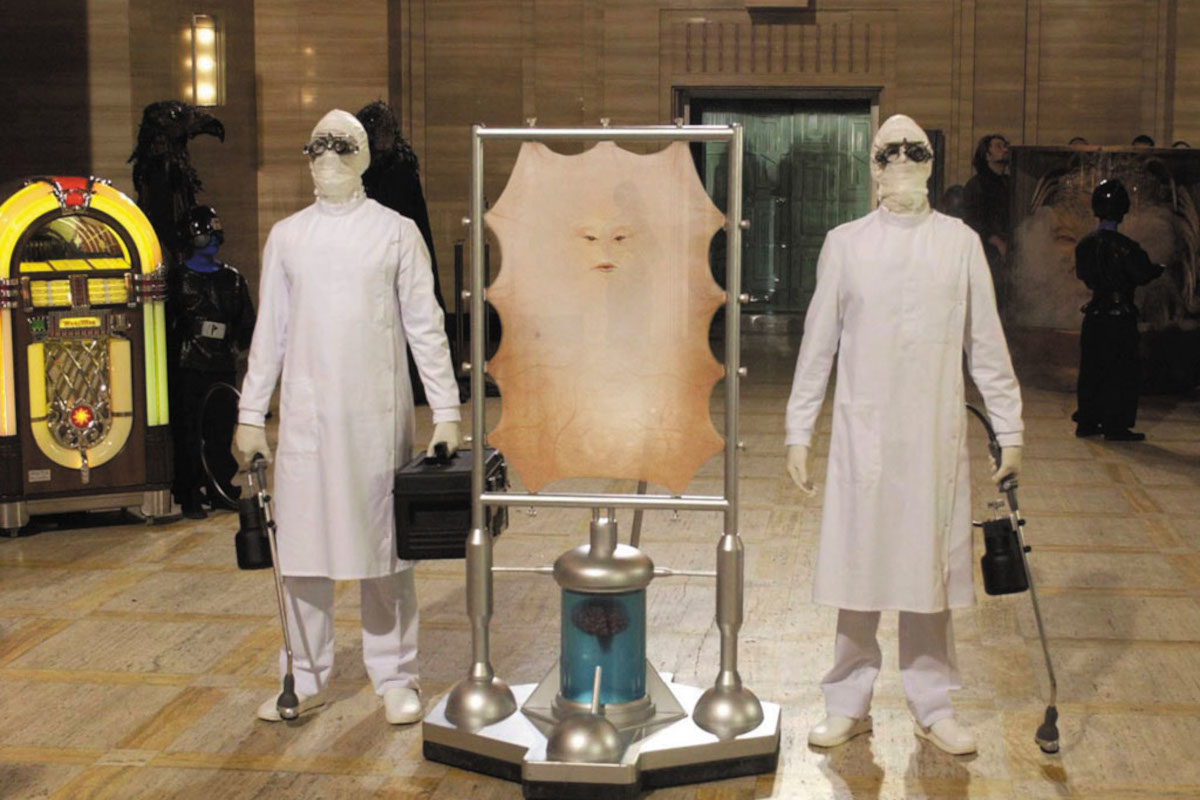 The End of the World: Season 1; Image credit: BBC Studios Productions
Orphan 55: Season 12
The Thirteenth Doctor visits a holiday resort where guests are murdered by a mysterious being. But what are these strange monsters? It turns out the toxic waste on which the resort was built is the remains of a future iteration of Earth. The hungry monsters? These are the descendants of humans.
 Orphan 55: Season 12; Image credit: BBC Studios Productions
The Devil’s Chord: Season 14
In this quirky episode, we explore a world without the song “I Am the Walrus” by The Beatles. The episode shows that without this song, hope drains from the world, triggering a series of cataclysmic chain reactions that unfold, and the London of 2024 is an ashy wasteland thanks to a massive nuclear attack.
 The Devil’s Chord: Season 14; Image credit: BBC Studios Productions
The Empire of Death: Season 14
Remember Sutekh the Earth Destroyer from the days of Sarah Jane and the Fourth Doctor? Sutekh is back, and this time he succeeds in killing everything that ever has been or will be. That means the Earth is dust. Ncuti Gatwa’s Doctor has a heck of a time reviving the timeline but ultimately pulls through.
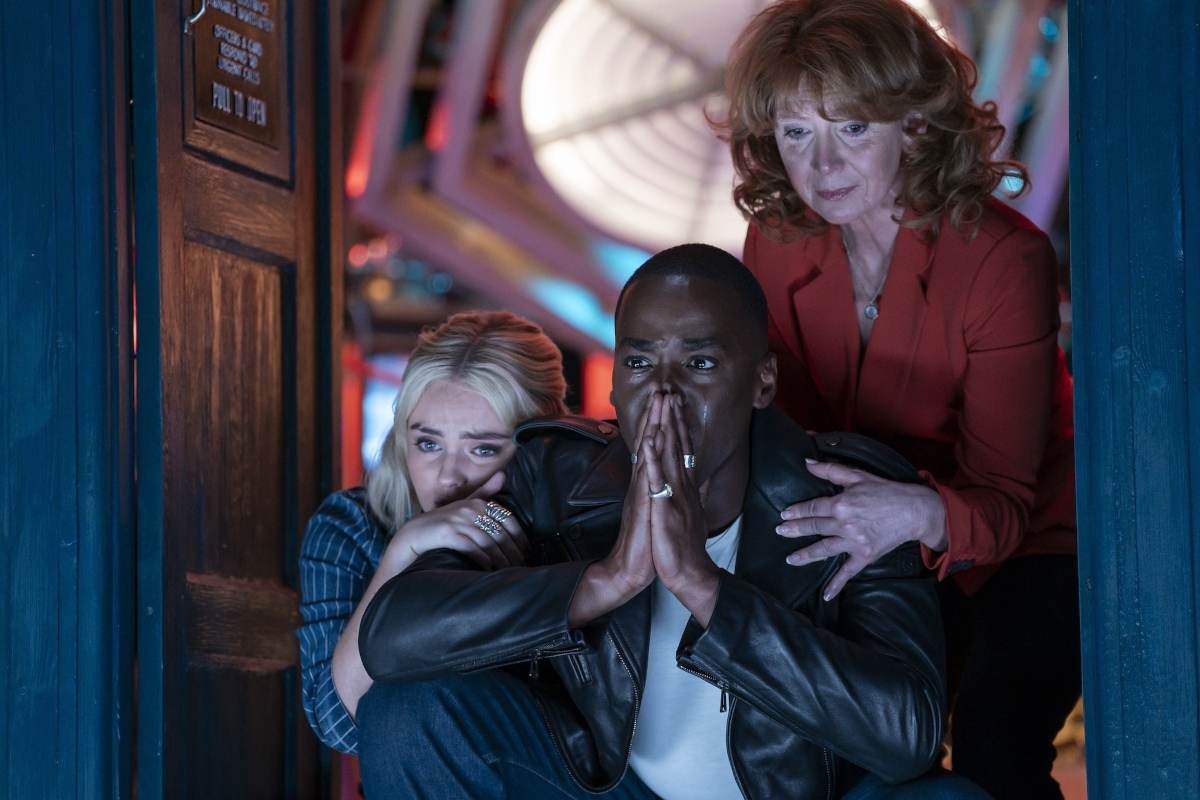 The Empire of Death: Season 14; Image credit: BBC Studios Productions
The Well: Season 15
The TARDIS has a hiccup in this episode: it can’t get back to May 24, 2025. When we see the pyramids and the Eiffel Tower floating through space, the answer becomes clear. The Earth has been … you guessed it, destroyed. In fact, there’s not even a memory of Earth in this future. Humans and Earth have seemingly vanished from the timeline. The episode ends without the Doctor discovering what caused this destruction.
 The Well: Season 15; Image credit: BBC Studios Productions
The Time Everything BUT Earth Dies
The Pandorica Opens: Season 5
This one seemed fun to mention. The TARDIS explodes in this open, destroying every planet in the universe except Earth. It becomes a lonely planet in a starless sky, and yes, that means no sun. The light of the TARDIS explosion warms the Earth. This is the one time in the series that the Earth managed to outlive the sun.
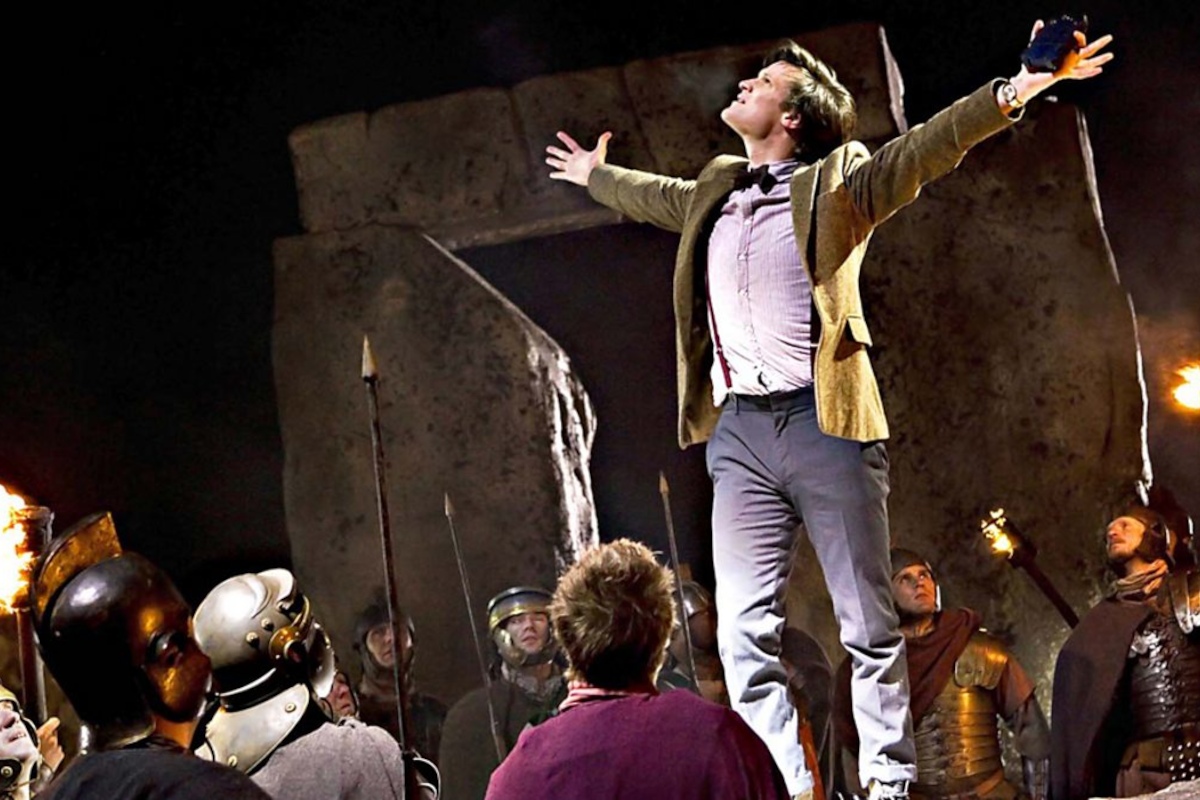 The Pandorica Opens: Season 5; Image credit: BBC Studios Productions
The Earth is Safe for Now
I’m sure that as long as there are new episodes of Doctor Who, there will be new creative ways to destroy the Earth. These episodes don’t even account for all the times an entire reality was destroyed, which would surely include the Earth as well.
The Earth certainly faces a lot of peril in Doctor Who. In fact, it’s hard to say which is threatened and destroyed more, the Earth or the Doctor’s home planet, Gallifrey. Maybe in the future we can explore the times Gallifrey was destroyed and figure out which planet has it worse in the world of Doctor Who.
See more:
Leave a Reply