
I’m definitely one of those people who always reads the book before watching the movie. But have you ever applied the same concept to video games? As a lifelong bookworm who grew up with a paperback in one hand and a Gameboy in the other, I love the magical crossover that occurs when a novel transforms into the playable world of a video game. Sometimes it’s a beautiful fusion, sometimes the result is a little awkward or unfaithful. But when it hits? It really hits.
So, pause your audiobook, put down your controller, and let’s talk about video games based on books, from fantasy epics to sci-fi classics that have become immersive gaming experiences.
The Witcher series, based on The Witcher by Andrzej Sapkowski
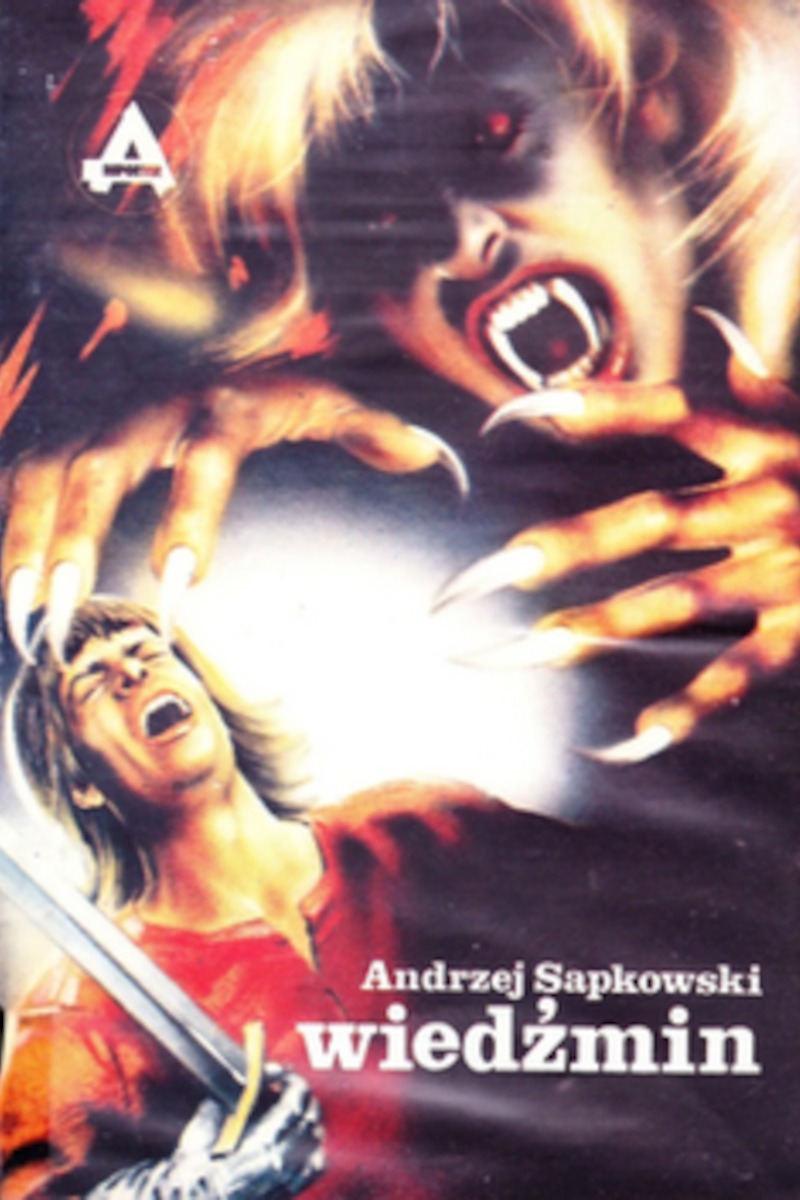
Yes, you probably already know that these games, which spawned a Netflix series, all began as a series of Polish novels, and you likely already have 300 hours logged in The Witcher 3: Wild Hunt. But it’s worth pausing to honor Geralt of Rivia’s true roots. He would never have become gaming’s hottest grumpy dad without first starring in a fantasy book series full of sharp dialogue, twisting politics, and complex monsters.
What makes the games so effective as adaptations is that they’re true to the novels’ worlds while expanding them. The game’s events take place after the novels’ events, so players are free to shape Geralt’s choices. By the way, the game’s philosophy, “no good options, only lesser evils,” is straight from the novels, so if you love that vibe, it’s worth reading the novels to understand the game’s roots. And if you’re a fan of the novels but never played the game, definitely dive in. Playing it will feel like discovering lost lore notes.
Cover of The Witcher (1990); image credit: SuperNOWA (formerly Reporter)
Metro 2033, based on Metro 2033 by Dmitry Glukhovsky
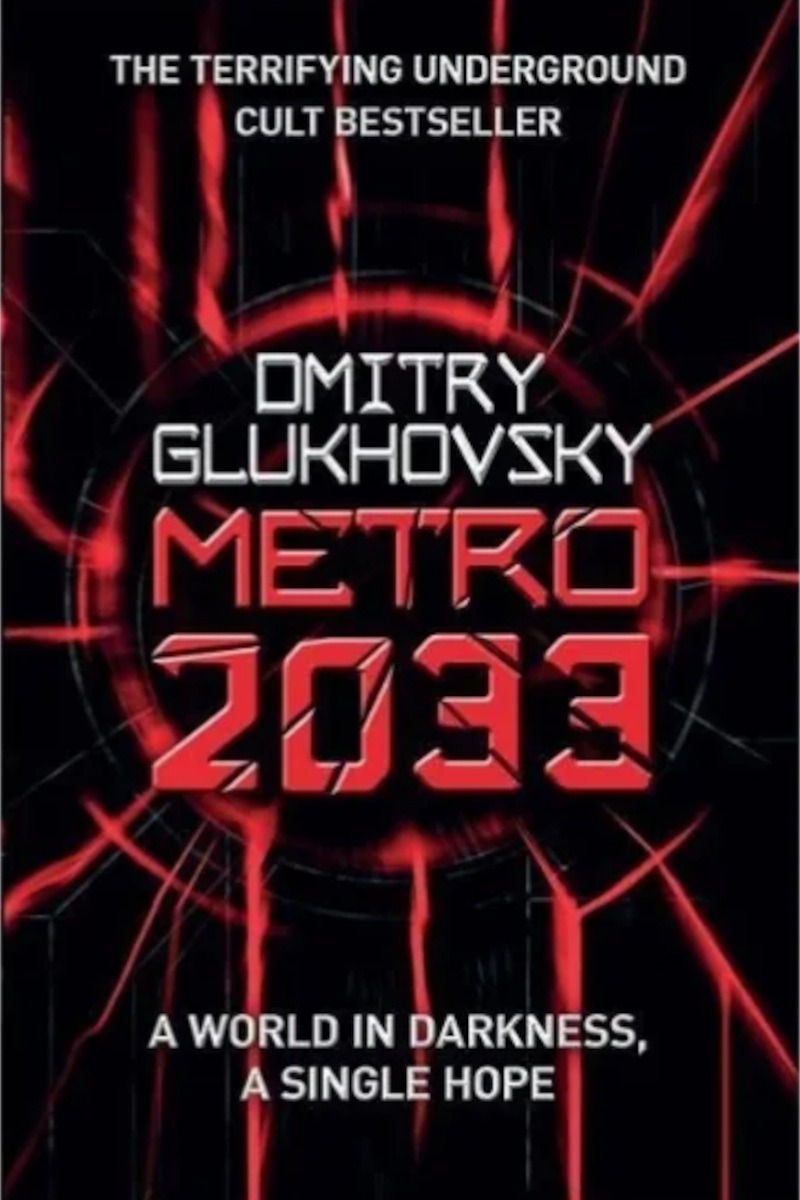
If you like bleak, atmospheric, and emotionally devastating games (hi, me too), Metro 2033 will live rent-free in your brain. Like the book it’s based on, the game follows survivors of Moscow’s nuclear apocalypse living in the metro tunnels beneath the destroyed city. If you venture beyond the tunnels, you’ll find radiation poisoning, monsters everywhere, and desperate, depraved humans hanging on by a thread. You know, typical creepy-cozy stuff.
The book’s themes lean toward social commentary and existentialism, while the game evokes a sense of claustrophobia, meant to make you jump at shadows. Playing this game feels similar to reading the novel, where silence is more frightening than gunfire. Reading the book will add layers to the characters you come to love and mourn in the game.
Cover of Metro 2033 (2002); image credit: Gollancz
S.T.A.L.K.E.R., inspired by Arkady and Boris Strugatsky’s Roadside Picnic
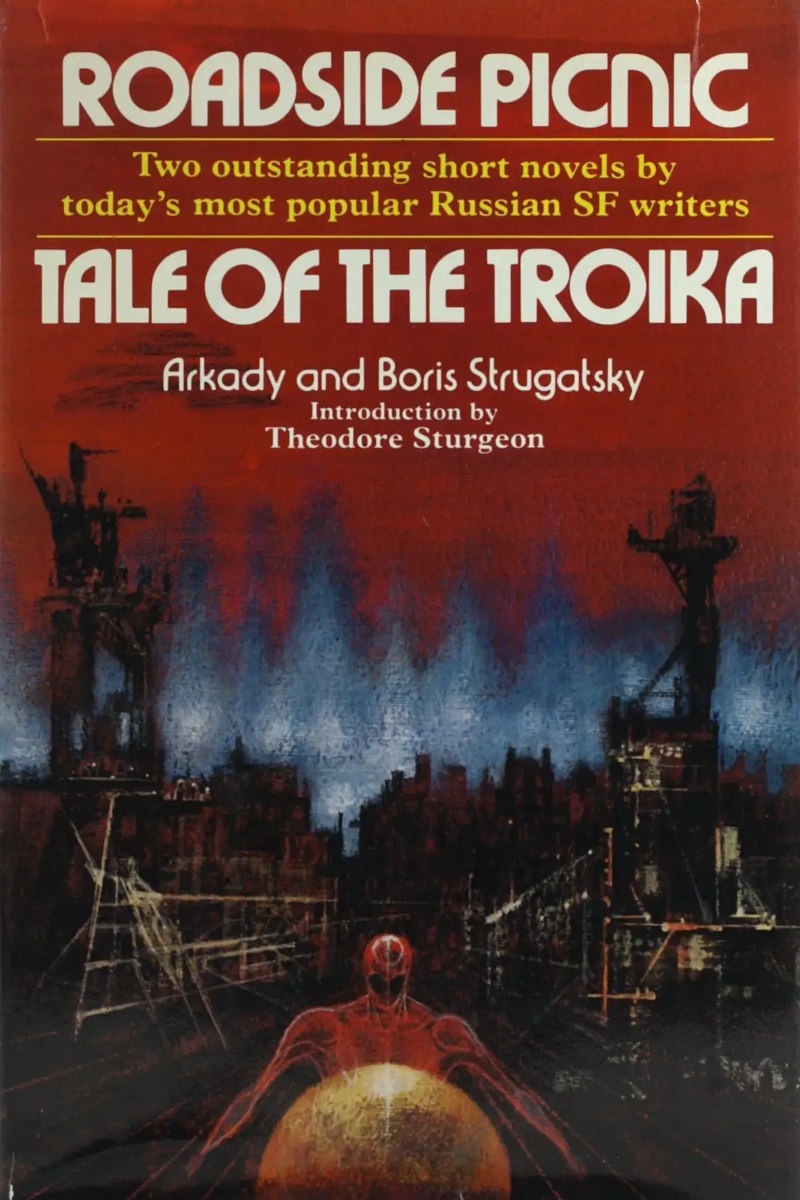
This one is inspired by a book rather than a direct adaptation, but it’s worth exploring. The novel Roadside Picnic is a bizarre philosophical work about dangerous “alien zones” filled with artifacts that humans can’t understand. If that concept sounds familiar, it’s because you’ll find it in the video game series, S.T.A.L.K.E.R.
The novel’s eerie, incomprehensible world is a perfect fit for this survival horror game, turning it into a hostile game environment that feels alive. You’re fighting radiation, entropy, and your own decisions in this game. Reading the novel that inspired it will give you extra context for the rich story.
Cover of Roadside Picnic and Tale of the Troika (1977); image credit: Estate of Arkady and Boris Strugatsky
American McGee’s Alice, based on Alice’s Adventures in Wonderland by Lewis Carroll
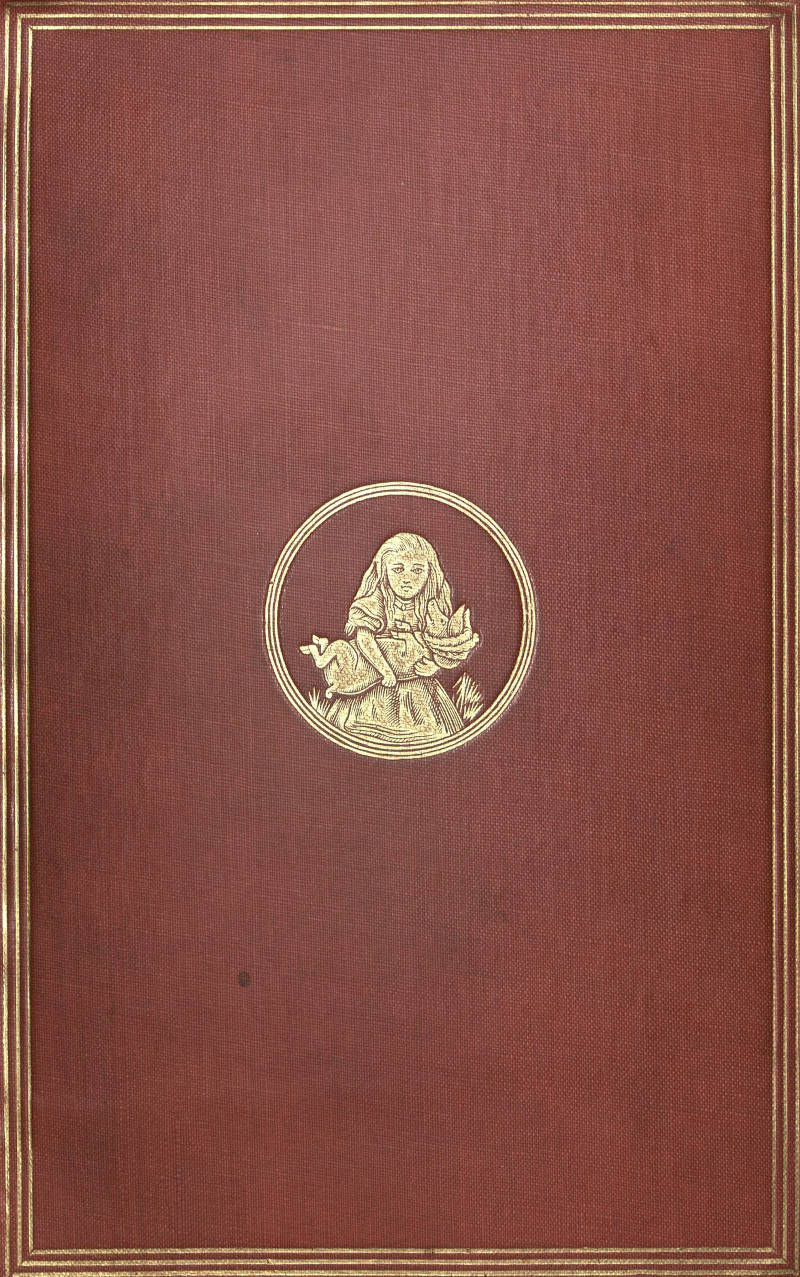
Anyone who knows the world of Alice in Wonderland knows that its roots lie in Lewis Carroll’s novels. Somewhere in the 2000s, a darker, edgier picture of Wonderland emerged. Perhaps it was the influence of Hot Topic merchandise featuring the Cheshire Cat and celebrating the weirdos of the world, or maybe it was the influence of American McGee’s Alice.
American McGee’s Alice twists the whimsical world of Wonderland into a broken, bloody landscape representative of trauma, mental illness, and despair. Rather than exploring, Alice is on the hunt, fighting her trauma with the Vorpal Blade. The game includes Carroll’s famous characters but casts them in a new, sharper, and more dangerous light. Using Wonderland as a metaphor for a fractured mind proves that brilliant storytelling and reimaginings with something to say have a place in the world of video games.
Cover of Alice’s Adventures in Wonderland (1865); image credit: John Tenniel
The Lord of the Rings games, based on The Lord of the Rings by J.R.R. Tolkien
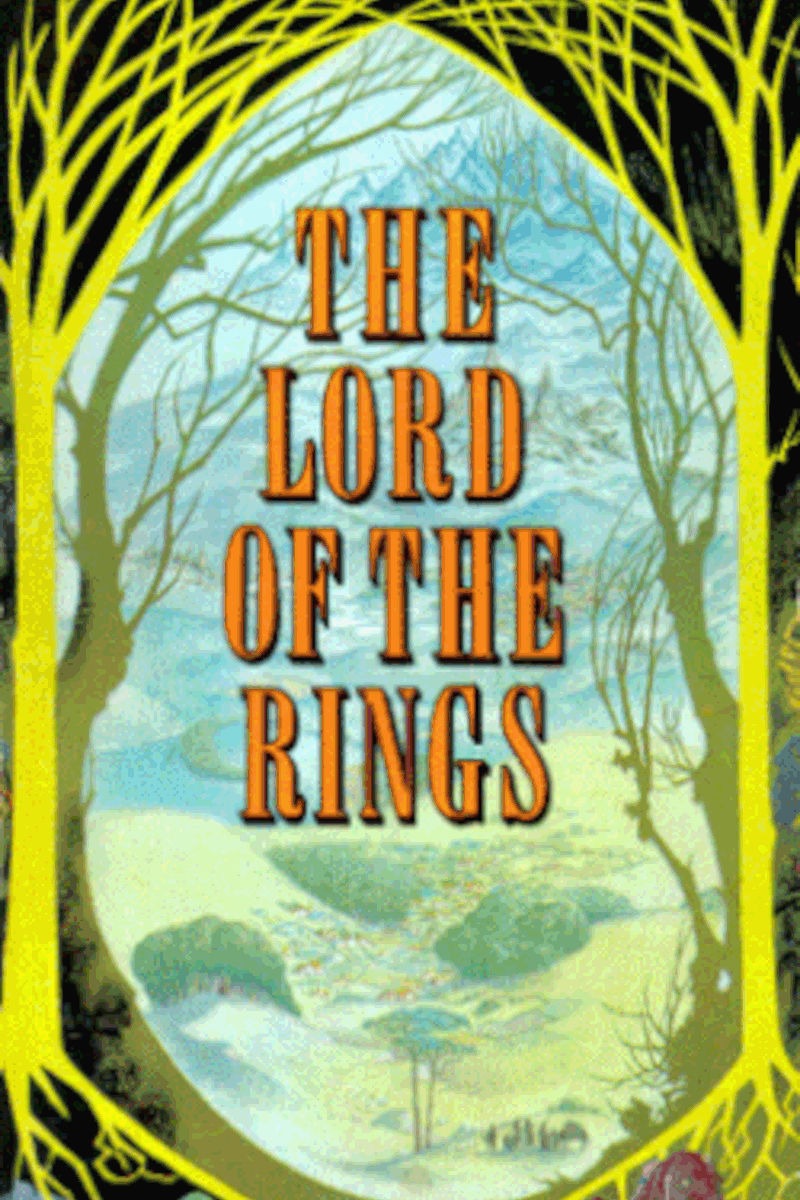
Tolkien is the final boss of fantasy literature, the inspiration for countless epic fantasy works, and the renowned TTRPG Dungeons and Dragons, so it’s no surprise that several video games are based on Tolkien’s novels. There are hack-and-slash games like The Two Towers and Return of the King, as well as in-depth RPGs like Middle-earth: Shadow of Mordor. Each game draws from the rich well of Tolkien’s world-building.
Each game based on this series tends to emphasize a different quality of the books. We have epic battles of heroism, darkly mysterious corners of Middle-earth, and the cozy busyness of the Shire. No game can ever fully encompass the breadth of The Lord of the Rings series and its dense appendices, so these deep dives into different corners of the lore in video game form leave fans plenty to appreciate.
Cover of The Lord of the Rings (1968); image credit: Pauline Baynes
Tom Clancy’s games, inspired by his novels
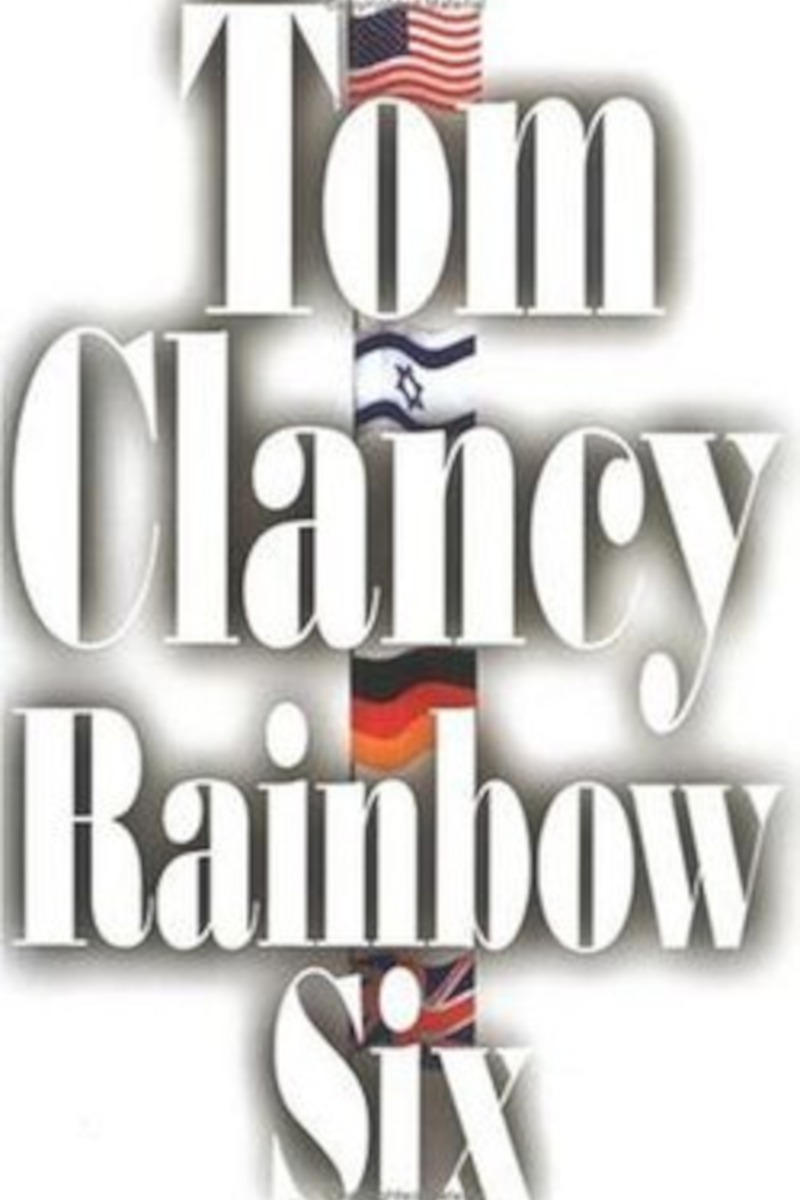
If your dad or grandfather reads military thrillers, you’ve probably seen a Tom Clancy novel. His novels, grounded in geopolitical tensions and realistic tactics, have inspired several franchises, including Rainbow Six, Splinter Cell, and The Division.
While the games don’t always pull a specific plot from the books, they aim to capture the spirit of Tom Clancy’s novels and their focus on detail and realism. These are difficult games that push players into a hyper-competent fantasy where their plans matter and their mistakes are punished. Avid planners who read the novels may find new inspiration and understanding for their next stealth mission.
Cover of Rainbow Six (1998); image credit: Ubisoft
The Expanse: A Telltale Series, based on The Expanse by James S. A. Corey
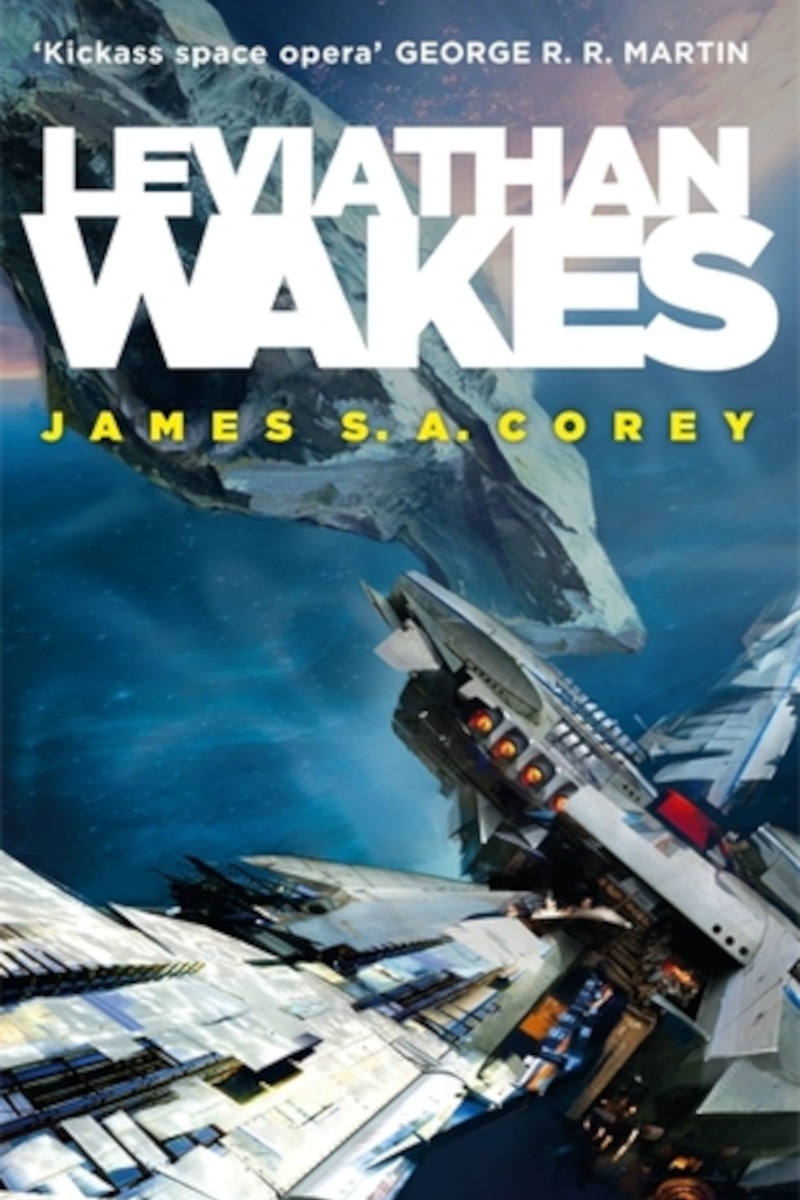
Space nerds love The Expanse! It started as a novel series, became a celebrated TV show, and, because the franchise knows nerds, it became a narrative-driven video game. Telltale’s adaptations never disappoint. This game combines moral complexity and political tension, presenting players and characters with impossible choices. The gameplay is less about shooting aliens and more about navigating survival, loyalty, and power. If you like interactive novels, you can’t do much better than this game.
Cover of Leviathan Wakes (2011), the first book in the Expanse novel series; image credit: Daniel Dociu
See more:
- Awesome Video Game Music for Working Out
- Our 12 Favorite Cozy Games to Relax With
- The Greatest Superhero Video Games of All Time
Featured image photo credit: CD Projekt Red
Of all the books in this post, I’m most intrigued by Roadside Picnic.