

I was very excited for the premiere of Hannibal on NBC in April 2013. As a longtime fan of the films featuring Thomas Harris’ psychopathic Hannibal Lecter, I had high expectations for the series, and it didn’t disappoint. In my opinion, Hannibal is one of the most artistic and creative shows ever aired on network television, not only for its darkly imaginative murder tableaux, which we’ll explore in this article, but also for its stunning visuals and cinematography. Hannibal is certainly not a show for the faint of heart, but for those willing to experience this macabre masterpiece, it’s unforgettable.
Beauty in Decay — The Mushroom Garden
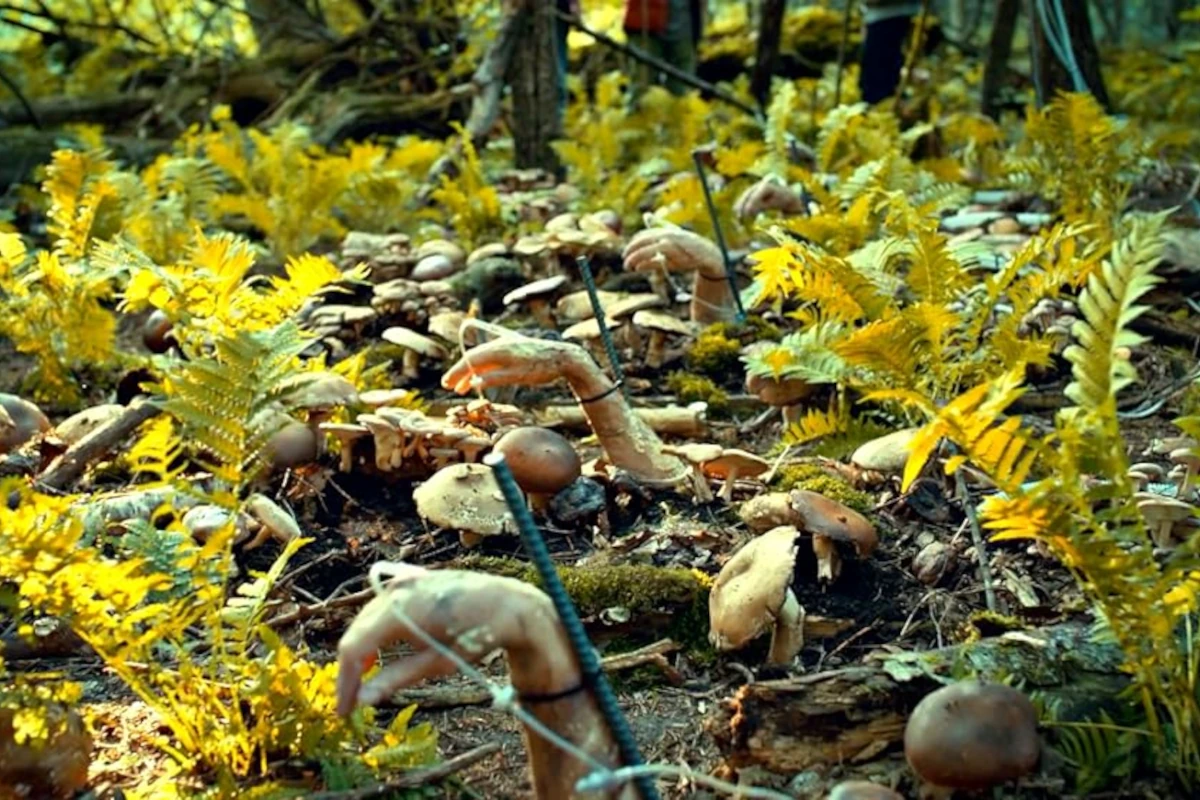
The first truly bizarre murders occur in Season 1, Episode 2, “Amuse-Bouche,” when nine victims are discovered buried in shallow graves, with mushrooms growing from their decomposing remains. Eldon Stammets, a socially isolated pharmacist, targeted diabetic patients by altering their medication to induce comas before burying them in nutrient-rich compost. To keep his victims alive long enough to nourish the mushrooms, he supplied them with air through breathing tubes and intravenous sugar water. Obsessed with the interconnected nature of fungi, Stammets believed his morbid mushroom garden could create connections between people. In his mind, the beauty and communion of his mushroom garden were meaningful, with no consideration for his victims’ suffering.
Music and Murder — The Human Cello
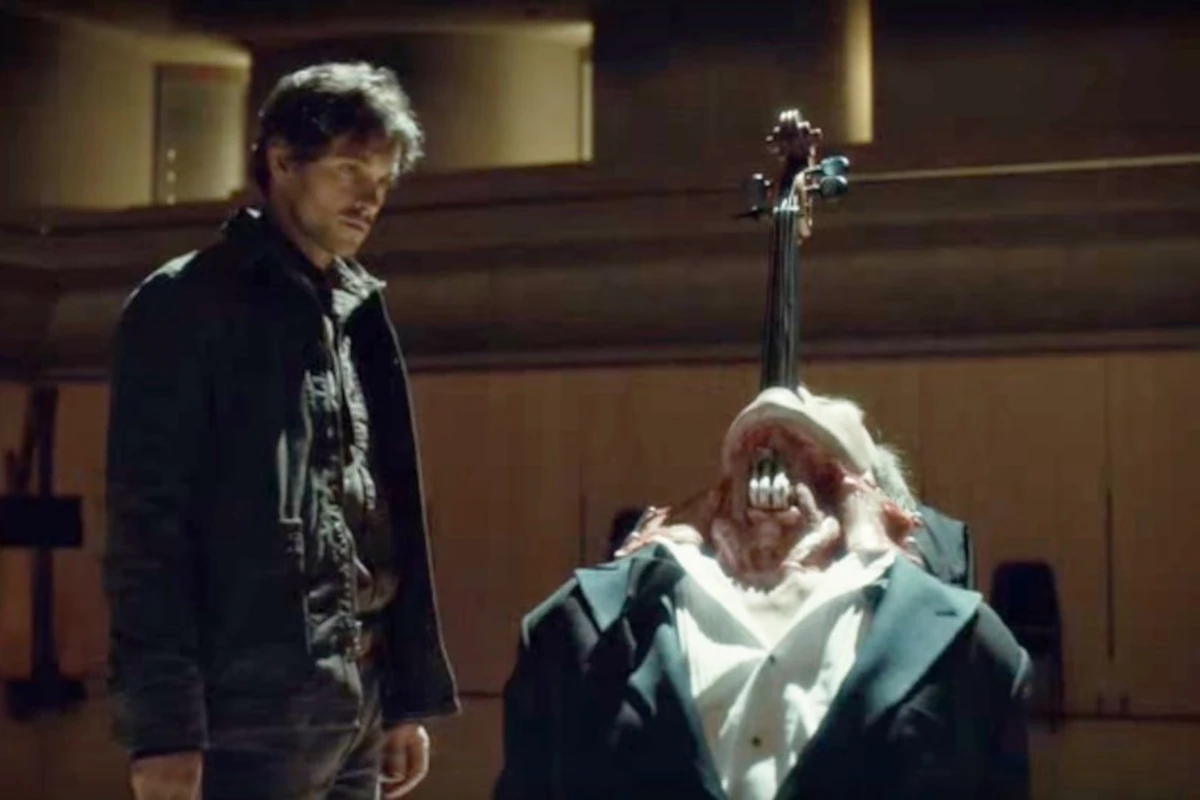
In Season 1, Episode 8, “Fromage,” Douglas Wilson, a trombonist with the Baltimore Metropolitan Orchestra, is found murdered onstage at a concert hall, his body mutilated into a human cello. Wilson’s throat had been opened, and the neck of a cello had been inserted into it. His vocal cords had been treated so they could be “played” with a bow.
The killer is Tobias Budge, a psychopathic murderer and an acquaintance of one of Hannibal’s patients. Tobias targeted Wilson not only because he considered him a bad trombonist but also to attract Hannibal’s attention. Having recognized Hannibal as the Chesapeake Ripper, a notorious serial killer operating in the Baltimore area, Tobias hoped to impress him with his own murderous artistry. A cello teacher and string shop owner, Tobias turned a person into a playable musical instrument, composing a perverse serenade for Hannibal.
Murder as Sculpture — The Human Totem Pole

The human totem pole was featured in Season 1, Episode 9, “Trou Normand.” Discovered on a West Virginia beach, the grisly sculpture was constructed from the remains of 17 victims. The body at the top belonged to Joel Summers, the only recent victim, while the others had been exhumed from graves, some dating back several decades. Seven of the bodies were taken from graves near the beach, and the others were collected from various locations.
The killer, Lawrence Wells, spent 40 years murdering people and disguising their deaths as accidents or natural causes. Now an elderly man, Wells assembled the bodies into an elaborate monument to his crimes, deliberately drawing attention to himself after decades of remaining undetected. For Wells, the human totem pole was his final masterpiece, a way to ensure his murderous legacy would never be forgotten.
A Living Canvas — The Human Mural
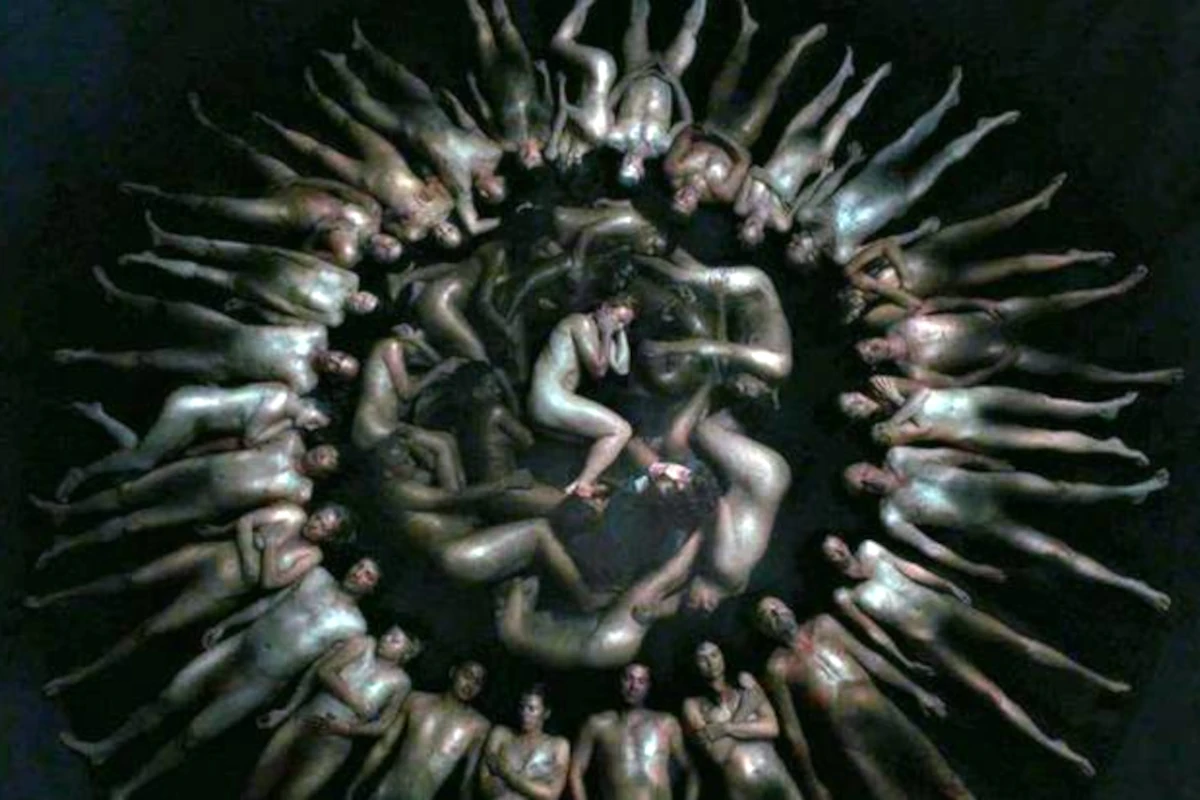
The first two episodes of Season 2, “Kaiseki” and “Sakizuke,” introduce one of the show’s most disturbing murder displays: the human mural, also known as the eye. The Muralist, James Gray, kidnapped his victims, administered lethal doses of heroin, and preserved their bodies in an abandoned grain silo to prevent discoloration. He stitched them together in a circular pattern and arranged them by skin color, creating a carefully planned color scheme. When viewed from above the silo, the arrangement resembled a giant human eye. Gray designed the eye to look up at God, hoping to discover whether God was looking back.
The Weight of Justice — The Murdered Judge
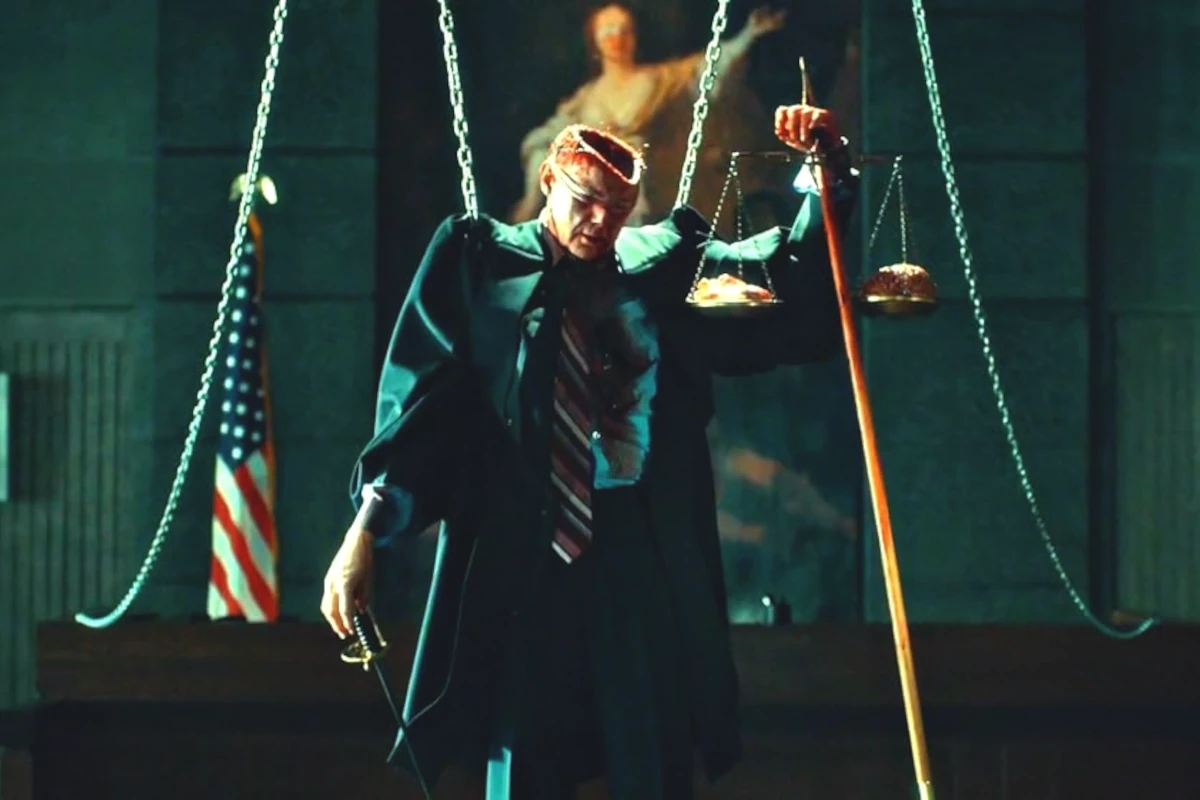
In Season 2, Episode 3, “Hassun,” we finally see the first murder display created by Hannibal himself. During Will Graham’s trial, Hannibal takes the stand in Will’s defense, but Judge Davies rules his testimony inadmissible. Hannibal decides to make his displeasure known by killing the judge and making a statement about the justice system. He strings Judge Davies up in the center of the courtroom, with his head partially severed. The judge’s body holds a set of scales, with his brain on one side and his heart on the other, symbolizing a heartless and mindless justice system. The judge’s murder results in a mistrial, bringing Will’s trial to an abrupt end.
Anatomy as Art — The Human Cross-Section
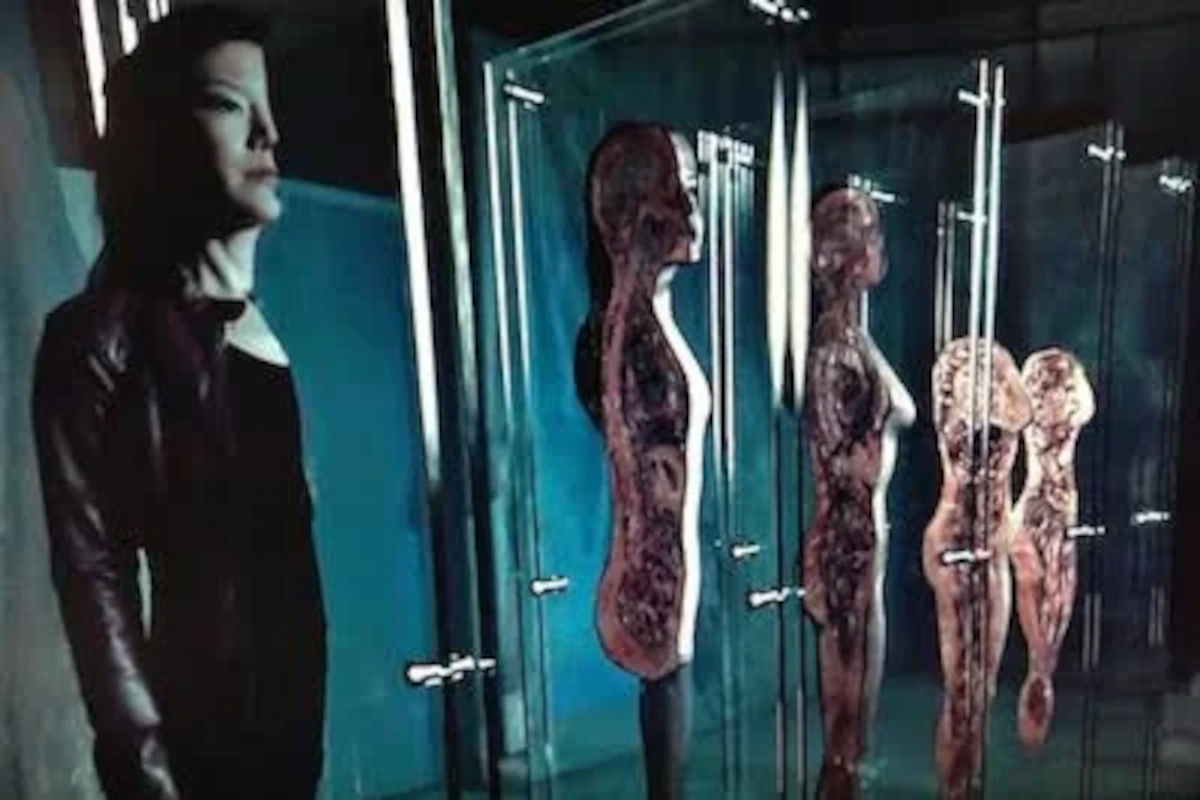
One of Hannibal’s most shocking murder tableaux occurs in Season 2, Episode 5, “Mukōzuke,” when Freddie Lounds discovers the body of Beverly Katz, a member of Jack Crawford’s FBI investigative team. Beverly was searching Hannibal’s home for evidence but was caught by Hannibal himself. He strangled her, then froze her body so he could cleanly saw it into vertical cross-sections. These were placed between large, parallel glass panels to resemble microscope specimen slides. Hannibal also removed Beverly’s kidneys, replacing them with those of James Gray, the Muralist, before consuming her organs. The display was especially disturbing because Beverly was a forensic investigator, and Hannibal had turned her into a nightmarish anatomical specimen.
A Botanical Sculpture — The Tree Man
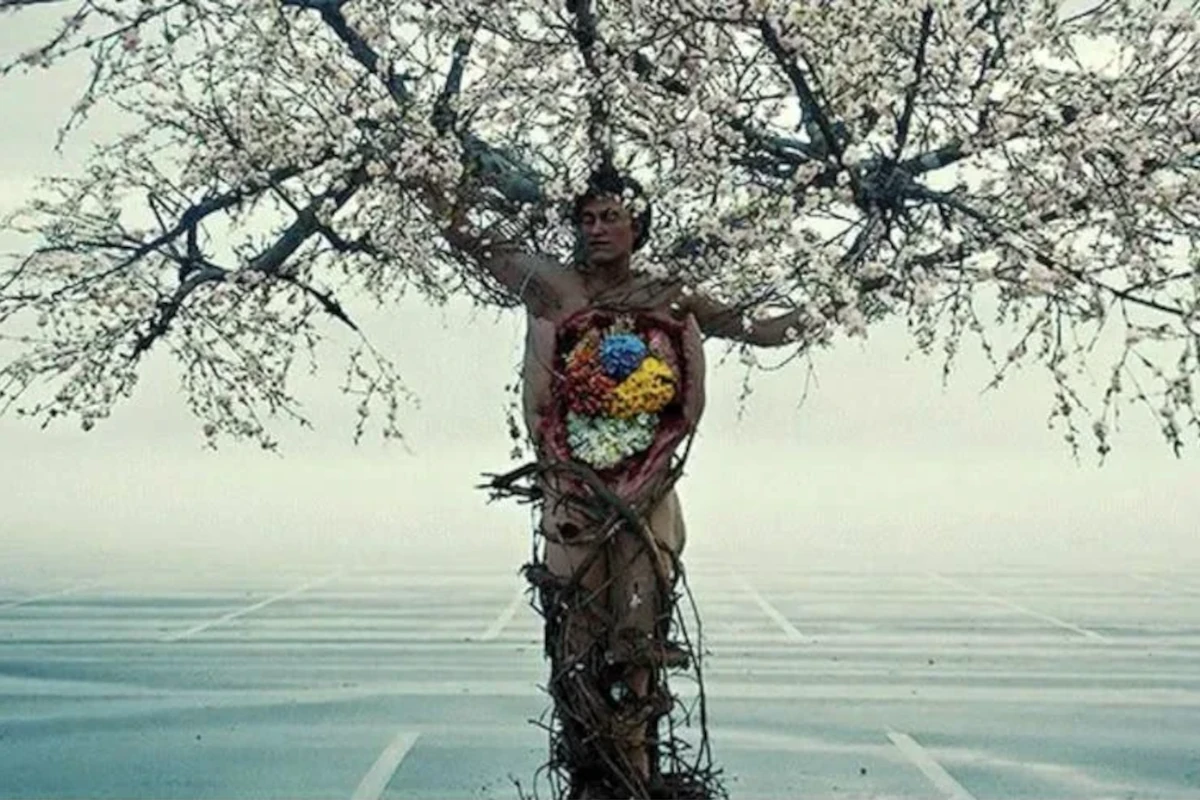
In Season 2, Episode 6, “Futamono,” Hannibal gets even more creative with his victim, Sheldon Isley, a corrupt Baltimore city councilman. Isley had brokered a deal that turned a protected woodland habitat for endangered songbirds into a parking lot. Hannibal drowned Isley and then wove his body into a tree placed in the very same parking lot. His chest cavity was opened, and all his organs, except for his lungs, were removed and replaced with poisonous flowers.
Beyond punishing Isley for destroying the natural habitat, Hannibal’s elaborate murder display also established that the Chesapeake Ripper was still active while Will remained imprisoned. By turning Isley into a tree on the site of the destroyed woodland, Hannibal created a twisted form of poetic justice.
The Art of Becoming — Randall Tier
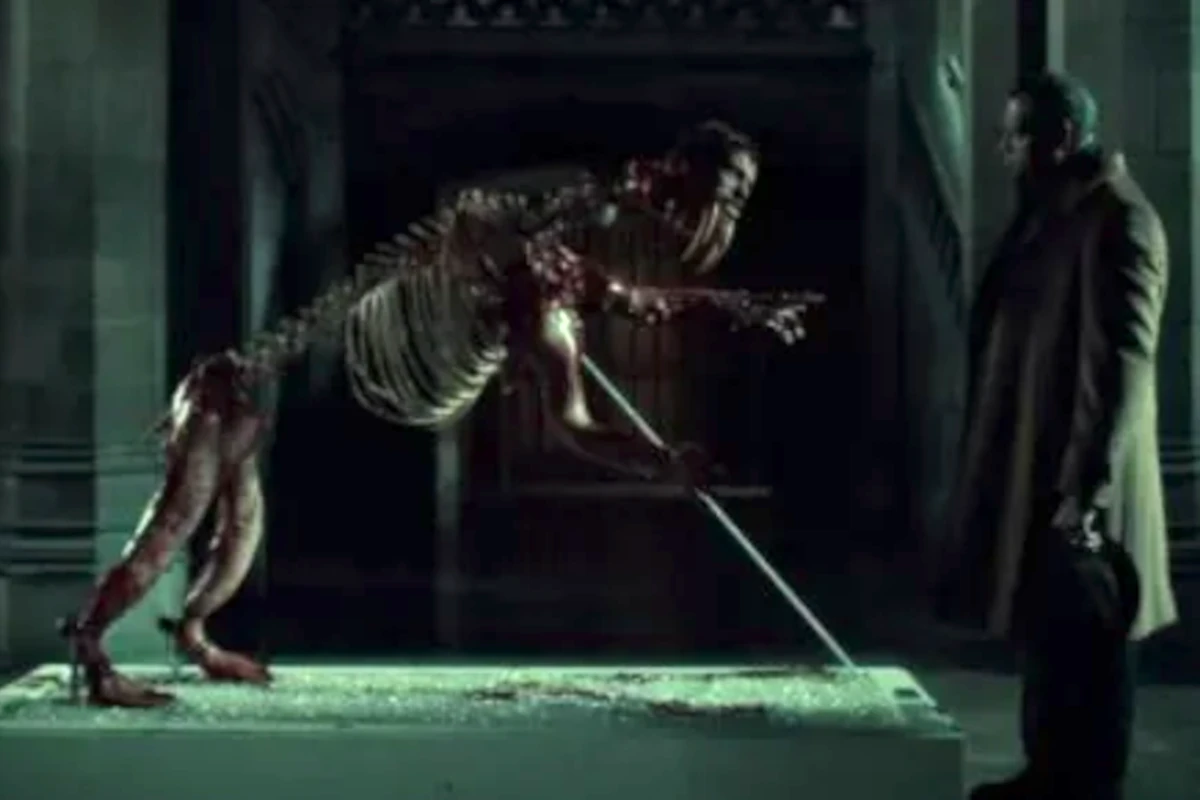
In Season 2, Episode 10, “Naka-Choko,” Will creates one of the show’s most bizarre displays using the body of Randall Tier, a former patient of Hannibal’s. Randall believed he was an animal trapped in a human body and had constructed a mechanical animal suit to hunt and kill his victims. Hannibal convinces Randall to attack Will, but Will kills him in self-defense.
Knowing Hannibal is behind the attack, Will brings Randall’s body to confront him. Later, Randall’s remains are discovered at the Museum of Natural History, where Will has combined parts of his body with the skeleton of a prehistoric predator. Randall’s face is attached to the animal’s skull, and his arms and legs replace its limbs, forming a deformed human-animal hybrid. By transforming Randall into the creature he always wanted to become, Will pays a disturbing tribute to the killer while showing just how far he’s willing to go under Hannibal’s influence.
The Art of Origami — A Sacred and Broken Heart
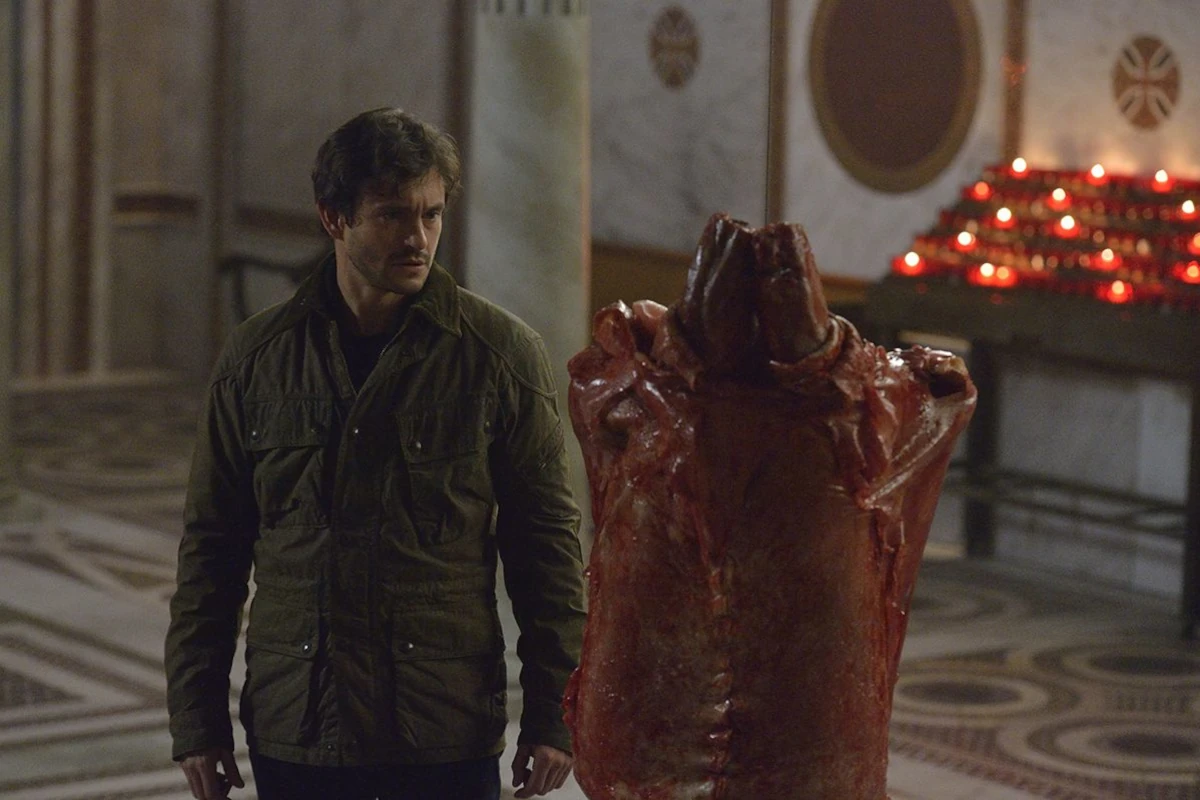
In Season 3, Episode 2, “Primavera,” Hannibal leaves a gruesome message for Will inside the Norman Chapel in Palermo, Italy: a human torso folded into the shape of a heart. In the previous episode, “Antipasto,” Hannibal is shown making an origami heart from an illustration of Leonardo da Vinci’s Vitruvian Man. He recreates the origami heart from Anthony Dimmond’s remains, reshaping the victim’s torso into an enormous anatomical heart and displaying it above three broadswords. The display also evokes the religious imagery of the Sacred Heart, a fitting choice given its placement inside a chapel.
This horrifying creation is more than just another example of Hannibal’s macabre artistry. The heart is a personal message to Will, conveying Hannibal’s feelings of love, betrayal, and loss after their last meeting. As Will examines the sculpture, he imagines it unfolding into a staglike creature, a recurring symbol associated with Hannibal throughout the series.
A Grotesque Metamorphosis — The Firefly Man
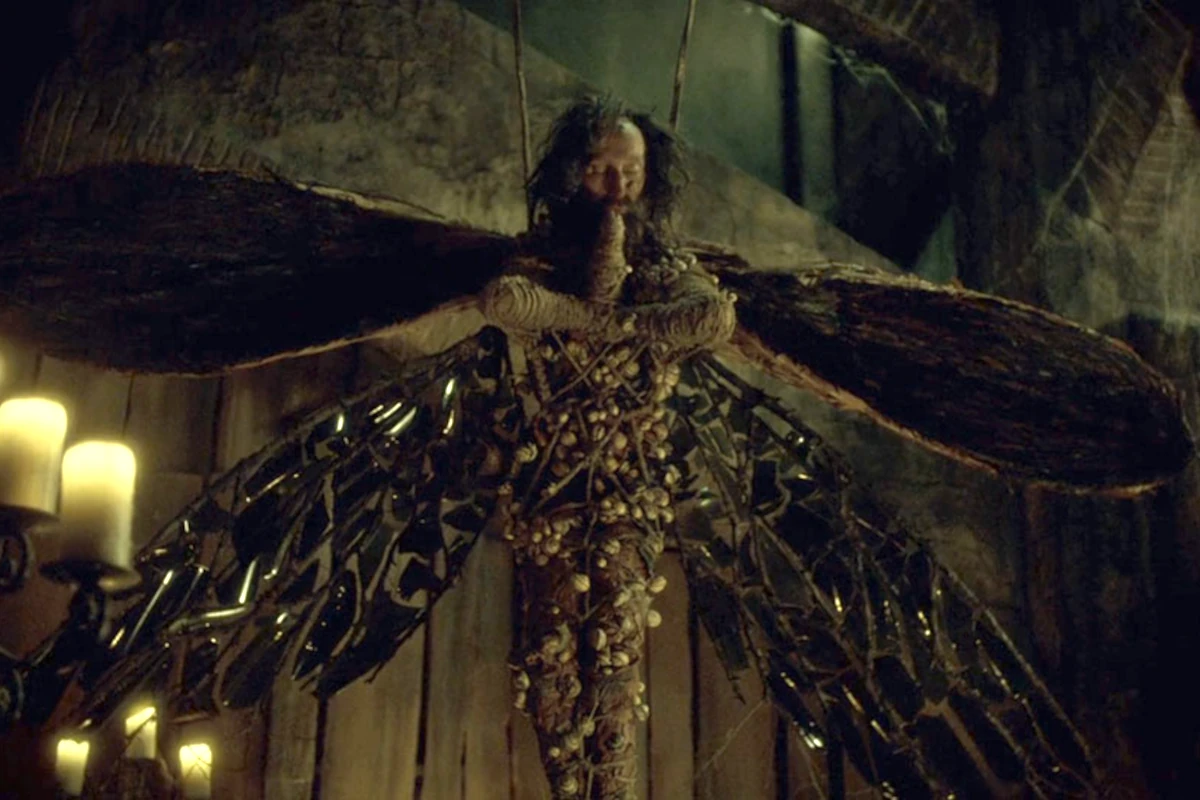
In Season 3, Episode 3, “Secondo,” Will travels to Hannibal’s childhood home in Lithuania, where he meets Chiyoh, a woman who has been guarding a prisoner for years. Chiyoh believes the man murdered and cannibalized Hannibal’s younger sister, Mischa, but Will suspects there is more to the story. Concerned that the prisoner might attack Chiyoh, Will decides to release him. However, Chiyoh ultimately kills the prisoner in self-defense.
Will’s actions are reminiscent of Hannibal’s tendency to manipulate people and situations just to see what will happen. Will transforms the prisoner’s body into a grotesque sculpture resembling a giant firefly. He uses branches, broken glass, and feathers to form the insect’s wings, then suspends the corpse from the ceiling and surrounds it with snails. The elaborate display is another unsettling example of Will’s transformation under Hannibal’s influence. Like Hannibal, Will has begun using human remains to create works of macabre art.
Featured image photo credit: NBC
Page last updated on November 17, 2026 by Craig Mormino.
